
Jamaican Rum: the spirit that helped shape the island
Jamaican rum is not just a drink. It is part of the island’s agricultural history, export identity, craftsmanship, and cultural memory. From sugarcane fields to copper stills and aging barrels, rum tells one of Jamaica’s deepest stories.
What makes Jamaican rum stand out is not only strength or reputation. It is character. Some styles are smooth and rounded. Others are loud, aromatic, and unforgettable.
Why Jamaican rum stands apart
Jamaican rum is made from sugarcane by-products such as molasses, and in some cases cane juice, but the raw ingredient is only the beginning. What gives Jamaican rum its reputation is the way fermentation, distillation, aging, and local know-how come together to create something with real identity.
Around the world, Jamaican rum is known for depth, aromatic intensity, and a flavor profile that can feel both tropical and muscular at the same time. Even people who are not rum experts often notice that Jamaican rum has more character than lighter, quieter styles from elsewhere.
From sugarcane to spirit
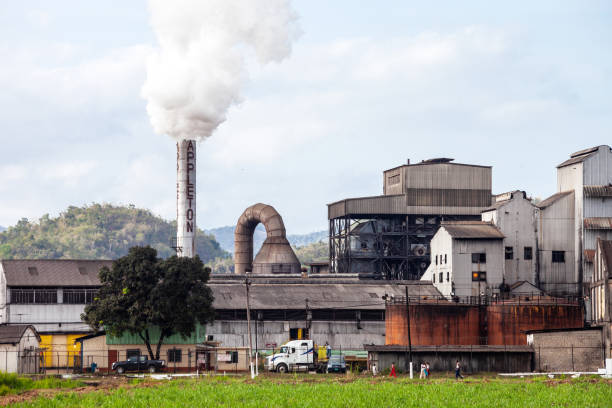
Jamaica’s rum story begins in the cane fields. For generations, sugar estates shaped both the economy and the physical landscape of the island. Molasses, a by-product of sugar production, became one of the key building blocks of rum making, which is why Jamaica’s sugar history and rum history are so closely connected.
That connection is still part of the appeal today. When people talk about Jamaican rum, they are not just talking about taste. They are talking about land, labor, industry, and a product that grew out of one of the island’s oldest production traditions.
The famous Jamaican “funk”
One of the most talked-about qualities in Jamaican rum is its aromatic intensity — often nicknamed “funk.” Jamaican rum can carry strong fruit notes, rich esters, spice, and a lively nose that immediately sets it apart.
Not every Jamaican rum is aggressive, but even smoother expressions often have more personality than people expect. That is part of the island’s signature: rum with presence.
Styles of Jamaican rum
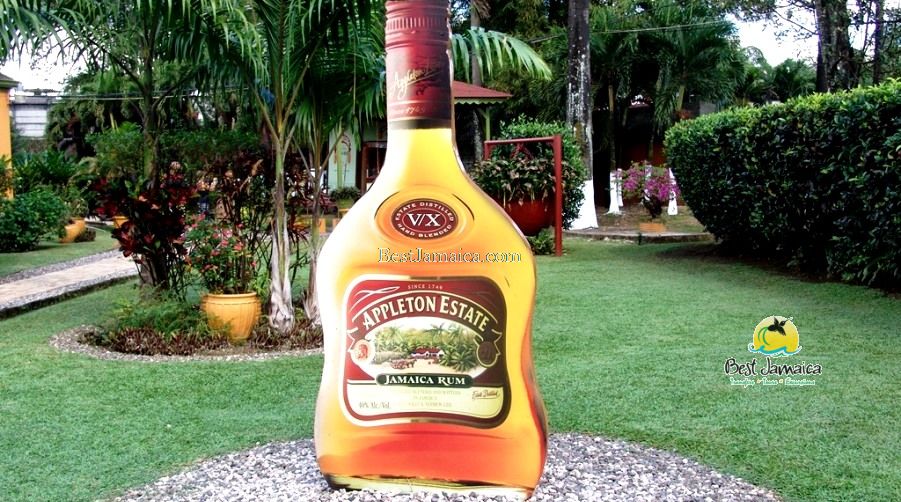
Jamaican rum is not one single style. The island produces powerful white overproof rum, easy-drinking gold expressions, darker barrel-forward rums, and premium aged bottles designed for slow sipping.
White overproof rum is especially woven into Jamaican life. Aged rums, on the other hand, show what tropical maturation can do — building color, softness, vanilla notes, spice, and deeper complexity inside the barrel.
The role of aging in Jamaican rum
Aging matters. In Jamaica’s warm tropical climate, rum matures differently than it would in a colder country. Oak barrels influence the spirit more quickly, helping it develop notes of vanilla, dried fruit, spice, caramel, and wood.
This is one reason aged Jamaican rum often feels generous and expressive. The heat does real work. It helps shape a spirit that can become smoother, deeper, and more layered without losing its island identity.
Rum in Jamaican culture
Rum lives in Jamaica far beyond distillery walls. It shows up in social life, celebrations, storytelling, bars, roadside shops, and the island’s image abroad. Rum punch, mixed drinks, overproof traditions, and premium sipping bottles all sit within the same wider culture.
For visitors, this is part of what makes Jamaican rum so memorable. It is not presented as a detached luxury product. It feels lived-in, rooted, and unmistakably local.
Appleton Estate: Jamaica’s best-known rum name
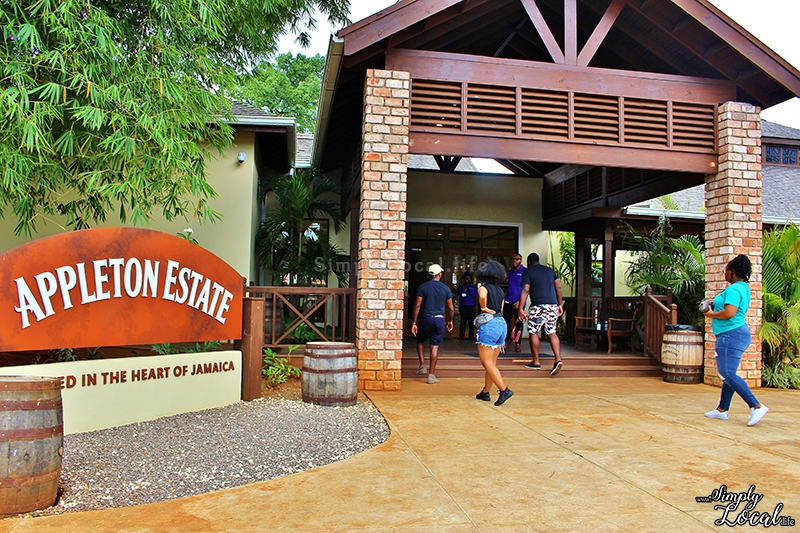
Appleton Estate is one of the most recognized names in Jamaican rum and one of the clearest examples of how Jamaica turned a local tradition into a globally respected spirit category. Travelers interested in the distillery experience can read more about the Appleton Estate Rum Tour.
FAQ: Jamaican rum
These are some of the most common things travelers want to understand before buying a bottle, ordering a drink, or visiting a rum estate in Jamaica.