
Jamaican food & culture • Travel guide

Jamaica Blue Mountain Coffee: why it tastes so smooth

Jamaica Blue Mountain Coffee is famous for a reason. It is not just a name travelers hear in gift shops and hotels. The reputation comes from a specific growing environment, a slower ripening process, and a cup profile people often describe as balanced, refined, and low in harsh bitterness.

This guide breaks down what makes it special, how it compares with other Jamaican coffees, and how to avoid buying something that sounds like Blue Mountain coffee without actually being the real thing.

Smooth profile High-elevation growing Real vs mixed labels Blue Mountain vs Jamaica Prime

The Blue Mountain “recipe” for great coffee

Good coffee does not come from one factor alone. In the Blue Mountains, quality is shaped by altitude, cool temperatures, cloud cover, rich soil, regular rainfall, and steep terrain that drains well. Together, those conditions help coffee cherries mature more slowly, which is one of the main reasons the finished cup is often described as more rounded and less aggressive.

For travelers, the easiest way to understand Blue Mountain Coffee is this: it is not famous because it is loud or extreme. It is famous because it is gentle in a way that still feels rich. The smoothness is the point.

Coffee beans are berries — and the fruit matters

Coffee begins as a fruit. The bean people grind and brew is actually the seed inside a coffee cherry. That matters because the development of the fruit influences the quality of the seed. In cooler mountain conditions, cherries generally mature more slowly, giving the plant more time to develop flavor.

That slower pace is a major part of why Blue Mountain Coffee is often associated with a polished finish instead of rough edges. The result is not magic. It is agriculture, climate, timing, and careful handling working together.

Blue Mountain vs Jamaica Prime

This is where travelers can get confused. Not all Jamaican coffee is Blue Mountain Coffee. Jamaica also produces other coffees that may be very enjoyable, including Jamaica Prime. The difference is that Blue Mountain Coffee is tied to a more specific region and carries a more elite reputation in the global market.

Jamaica Prime can still be good coffee, but it should not be treated as identical. If you are paying premium pricing because you believe you are buying true Blue Mountain Coffee, the label should make that clear.
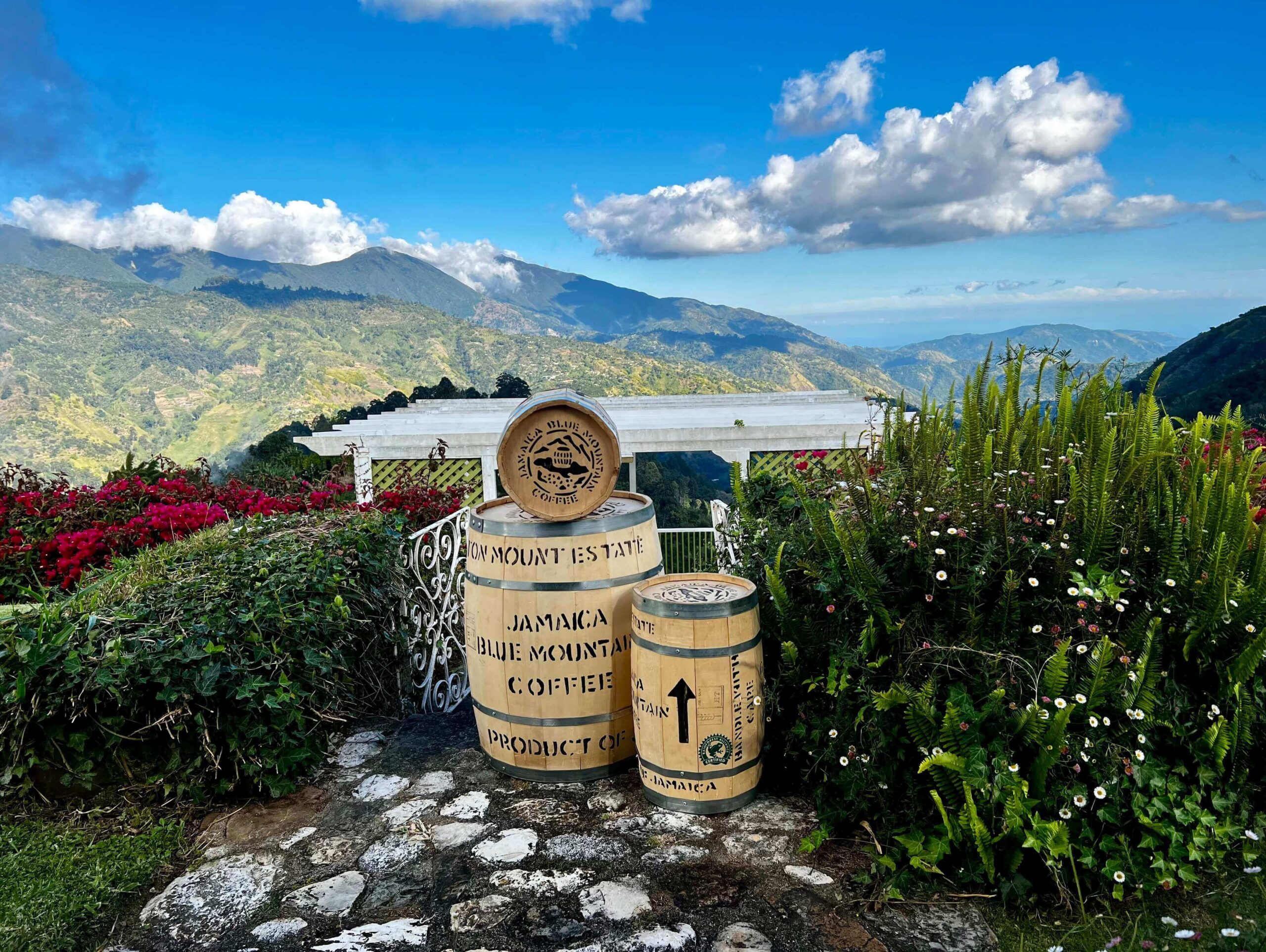
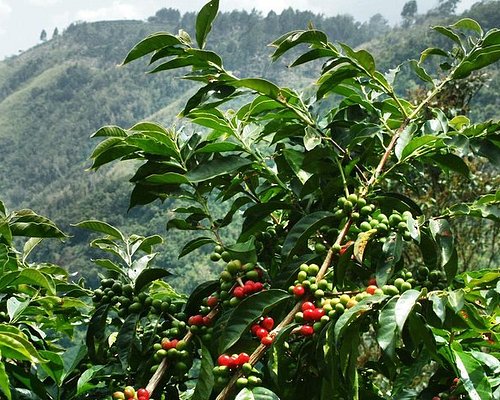
Jamaica Blue Mountain Coffee beans and cup

Why elevation matters

Higher, cooler growing conditions help slow cherry development and contribute to the balanced, low-bite character Blue Mountain Coffee is known for.

Jamaican Blue Mountain coffee prepared for serving

Why the real thing stands out

It is less about hype and more about how easy it is to drink — smooth, composed, and memorable without tasting harsh or overdone.

How to avoid fake or mixed “Blue Mountain” coffee

Travelers often assume that if a package says “Jamaican coffee” or includes the words “Blue Mountain,” it must be the premium product. That is not always the case. Some products are blends. Others rely on the Blue Mountain name more than the actual origin.

The safest approach is to slow down and read the packaging carefully. Good coffee deserves a closer look, especially when the price suggests authenticity.

Check the label: Look for wording that clearly identifies the coffee as Jamaica Blue Mountain Coffee, not just Jamaican-style or mountain blend.
Notice the origin: Vague packaging is usually a reason to pause rather than assume.
Compare the price: Premium coffee normally carries a premium price, so unusually cheap offers should raise questions.
Buy from reputable sources: Shops with clear product information usually inspire more trust than impulse stands with unclear labeling.

FAQ: Jamaica Blue Mountain Coffee

These are the questions many travelers have after hearing the name, trying a cup, or shopping for coffee to take home.

Why is Jamaica Blue Mountain Coffee considered so smooth?
Its reputation comes largely from growing conditions. Cooler temperatures, mountain mist, healthy rainfall, and slower cherry maturation all help create a cup profile that feels balanced and less bitter than many harsher coffees.
Is all coffee grown in Jamaica Blue Mountain Coffee?
No. Jamaica produces multiple coffees. Some are very good, but not every Jamaican coffee qualifies as true Blue Mountain Coffee. That is why labeling matters.
What is the difference between Blue Mountain Coffee and Jamaica Prime?
Blue Mountain Coffee is tied to a more specific growing region and a more premium market position. Jamaica Prime may still be enjoyable, but it should not automatically be treated as the same thing.
Does expensive always mean authentic?
Not always, but very low prices should make you cautious. Real Blue Mountain Coffee tends to be premium-priced, so the label and source are just as important as the number on the tag.
Can I buy real Blue Mountain Coffee in tourist areas?
Yes, but you should still read the packaging carefully. Tourist areas carry both authentic products and items that lean heavily on the Blue Mountain name without clearly proving what is inside.
Is the appeal strong flavor or balance?
Usually balance. People often remember Blue Mountain Coffee for its smoothness, soft acidity, and refined finish more than for aggressive roast intensity.
Is Blue Mountain Coffee worth bringing home?
For coffee lovers, yes. It is one of Jamaica’s best-known specialty products and one of the more meaningful edible souvenirs travelers can take home, especially when they buy a clearly labeled authentic product.
What should I remember most when buying?
Read the label, watch for vague wording, and buy from a source that gives you confidence. The real thing is famous because of quality, not just because the name sounds good.

Read next