Jamaica Flights Are 85% Full. So Why Are Arrivals Down?
Jamaica is receiving fewer visitors than a year ago. But behind that decline is a surprising aviation story: the flights currently serving the island are remarkably full.
Jamaica’s visitor arrivals have fallen significantly compared with last year, but looking only at the headline number misses an important part of what is happening inside the country’s tourism industry.
Figures presented at the Jamaica Product Exchange (JAPEX) show that available airline seats to Jamaica declined by approximately 22 percent between January and August, while passenger arrivals fell by just under 20 percent.
Yet the aircraft that are flying to Jamaica are operating at an average load factor of approximately 85 percent.
That creates an unusual picture: Jamaica has fewer visitors arriving, but the airline seats currently available are being filled at a high rate.
Fewer Visitors Doesn’t Necessarily Mean Empty Planes
According to figures presented by Deputy Director of Tourism for the Americas Phillip Rose, Jamaica had approximately 22 percent fewer available airline seats during the first eight months of 2026 compared with the corresponding period a year earlier.
Passenger arrivals declined by slightly less than the reduction in airline capacity.
Load factor is the percentage of available airline seats that are actually occupied. An average load factor of 85 percent therefore means that roughly 85 of every 100 seats available on those flights were occupied.
85% of Available Airline Seats Are Being Filled
Jamaica’s current challenge is therefore more complicated than simply a decline in traveller interest. The country is operating with reduced airline capacity while simultaneously rebuilding hotel inventory affected by Hurricane Melissa.
The relationship between hotel rooms and airline seats matters. When fewer rooms are available, airlines have less reason to maintain the same volume of seats into a destination.

Jamaica Is Still Rebuilding Its Tourism Capacity
Hurricane Melissa disrupted a substantial portion of Jamaica’s hotel inventory and tourism operations.
Tourism officials reported during JAPEX that approximately 70 percent of the affected hotel room inventory had returned to service, with thousands of additional rooms expected to return through the remainder of 2026 and into 2027.
As more resorts reopen, Jamaica will once again have more accommodation available to sell — creating the conditions for airlines to restore additional capacity.
Meanwhile, Jamaica’s Aviation Map Is Changing
Another important development is where some of Jamaica’s international airline capacity is beginning to originate.
The United States, Canada and the United Kingdom remain enormously important tourism markets, but Jamaica has been steadily building stronger aviation connections with Latin America.
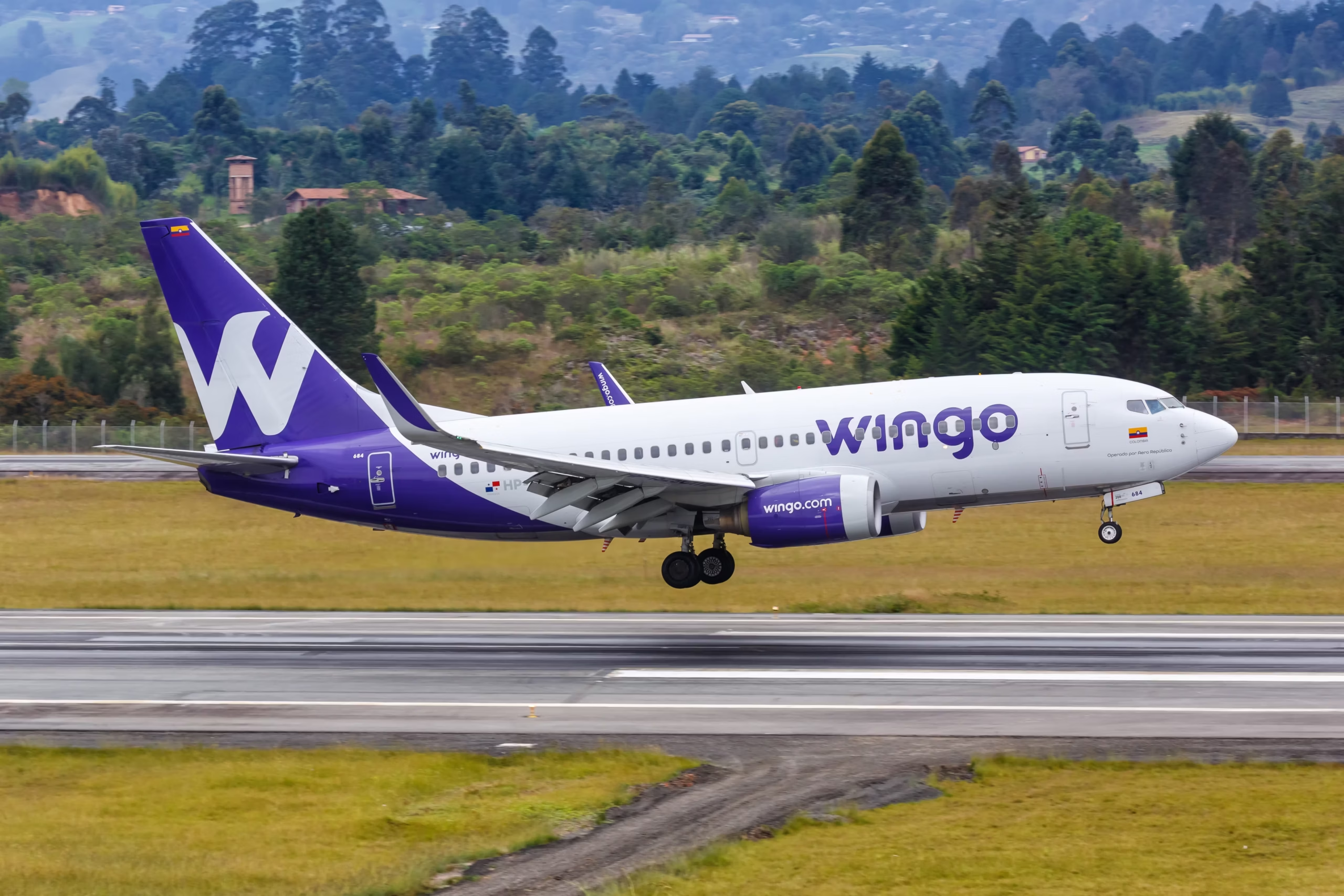
Copa Airlines provides connectivity through Panama while Wingo has expanded direct service between Colombia and Jamaica.
Best Jamaica Travel Guide has been following the transformation closely in our guide to Jamaica’s growing direct-flight connections with Colombia, Peru and Panama.
Three Routes Worth Watching
Jamaica’s recovery is not only about restoring what existed before. New and expanding international connections are changing how travellers can reach the island.

Colombia Is Becoming More Important
Wingo’s presence is particularly interesting because Jamaica now has year-round connectivity from Bogotá and Medellín.
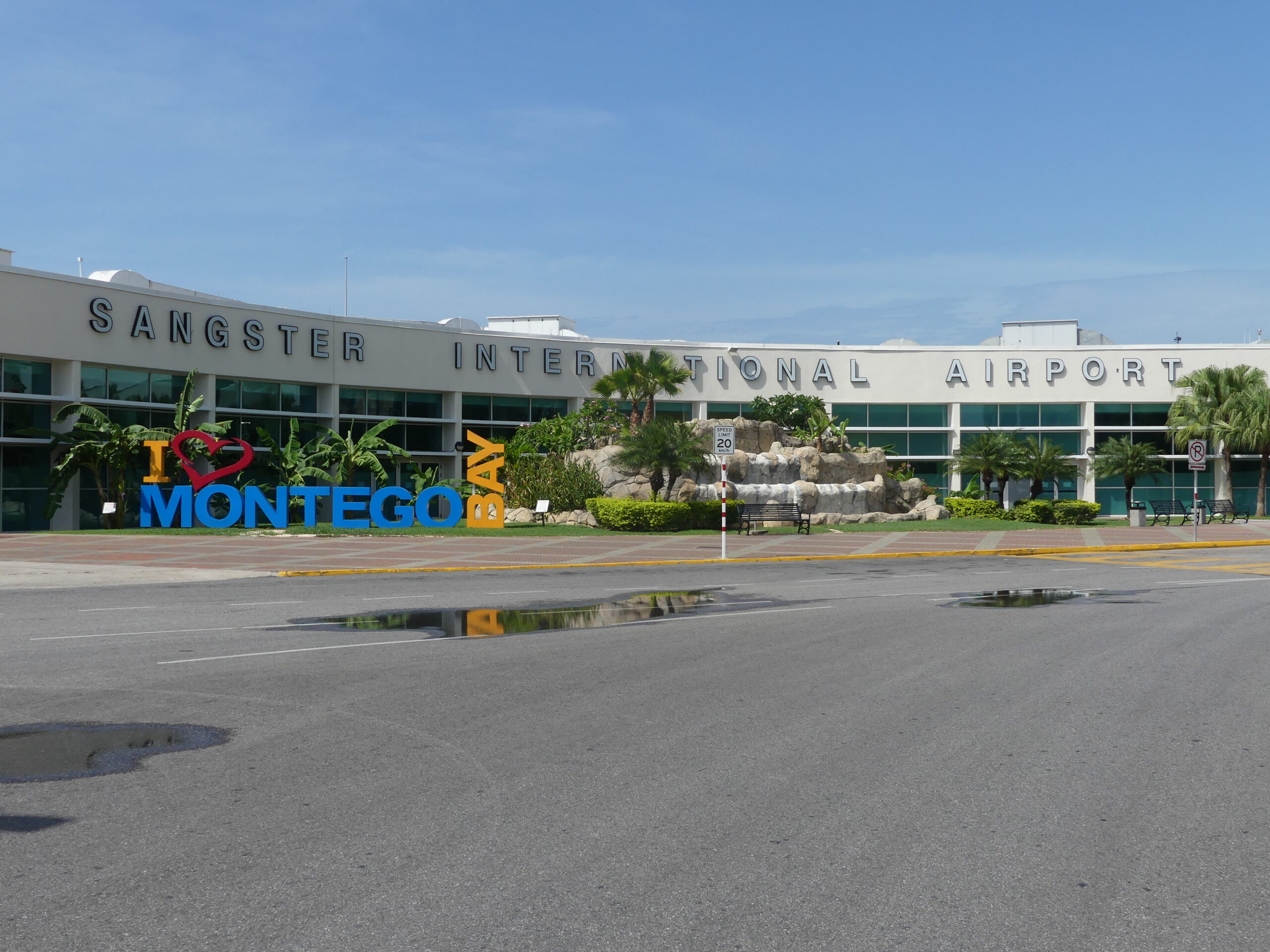
The nonstop Wingo service between Medellín and Montego Bay gives Colombian travellers direct access to Sangster International Airport and Jamaica’s western resort corridor.
That puts travellers within easy reach of Montego Bay, Rose Hall, Trelawny, Negril and other major tourism areas.
Recent airport figures have also identified Latin America as an area of growth even while overall passenger volumes remain below last year’s levels.
Jamaica Isn’t Abandoning Its Traditional Markets
Diversification does not mean Jamaica is moving away from the markets that built much of its modern tourism industry.
Canada remains one of Jamaica’s most important visitor markets, particularly during the winter travel season. Restoring and expanding Canadian airline capacity will therefore remain an important part of the recovery.
Travellers can follow the latest developments in our guide to Air Canada flights to Montego Bay.
So Is Jamaica Tourism Down — or Is Demand Strong?
Both numbers can be true at the same time.
Jamaica is receiving fewer passengers than during the corresponding period last year. That decline is real.
But Jamaica also has significantly fewer airline seats available, while the seats that remain are being occupied at an average rate of approximately 85 percent.
That distinction is important.
Jamaica’s tourism recovery depends not only on convincing travellers to visit, but also on restoring hotel rooms and airline capacity so that those travellers have somewhere to stay — and enough airline seats to get here.
The Next Phase May Be More Important Than the Decline
As thousands of hotel rooms return to service, Jamaica will have additional accommodation capacity available for visitors.
Airlines will then have more opportunity to restore seats, increase frequencies and potentially expand routes where passenger demand supports them.
At the same time, stronger connectivity with Latin America, continued Canadian and British service, and the rebuilding of capacity from the United States could eventually leave Jamaica with a broader international aviation network.
For travellers, the recovery should ultimately become visible in three simple ways: more hotel choices, more flights and greater flexibility when planning a Jamaican vacation.