
Jamaican Ginger: Bold, Fragrant, and Woven Into Everyday Island Life
Jamaican ginger is prized for its pungent aroma, lively heat, and deep flavor. It is not just a cooking ingredient in Jamaica. It is part of the island’s food culture, home remedies, baked traditions, and drinks that have found fans far beyond the Caribbean.
A root with real character
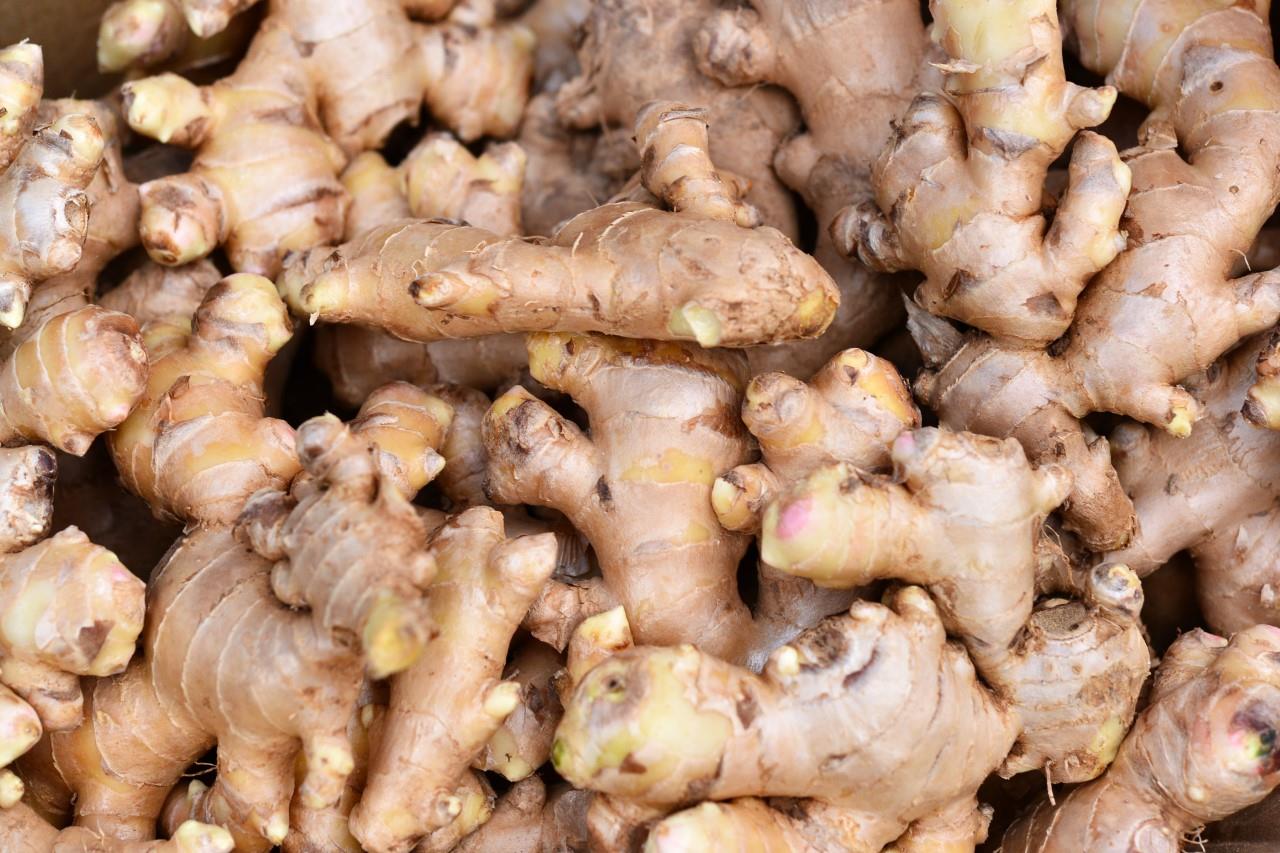
Jamaican ginger has long been regarded as one of the finest ginger varieties on the world market. Although ginger originally came from Asia, the Jamaican type is widely known for being more aromatic, more intense, and more flavorful than many versions grown elsewhere. That stronger character is one reason it continues to stand out in kitchens, drinks, and traditional uses.
The edible part of the plant grows underground, and its botanical name is Zingiber officinale. The word ginger is believed to come from the Sanskrit word singabera, meaning horn-shaped. Its appearance may be rough and simple, but its value in food and daily life is anything but ordinary.
How Jamaican ginger is enjoyed
Jamaican ginger shows up in many forms, from savory cooking to sweet baked favorites. It is used in teas, marinades, sauces, desserts, and beverages, and it brings a warm bite that is instantly recognizable. Across Jamaica, it is valued both for flavor and for the natural lift it gives to food and drink.
Jamaican ginger beer is especially popular around the world, known for its spicy snap and refreshing finish. Ginger cake, ginger bread, ginger cookies, and biscuits are also well-loved favorites that show how versatile this root can be.
In many homes, ginger tea remains one of the simplest and most familiar ways to enjoy it. A hot cup of ginger tea is often appreciated for its comforting taste and for the way it seems to open the sinuses, warm the body, and bring a sense of relief. That everyday usefulness is part of why ginger has stayed relevant for so long.
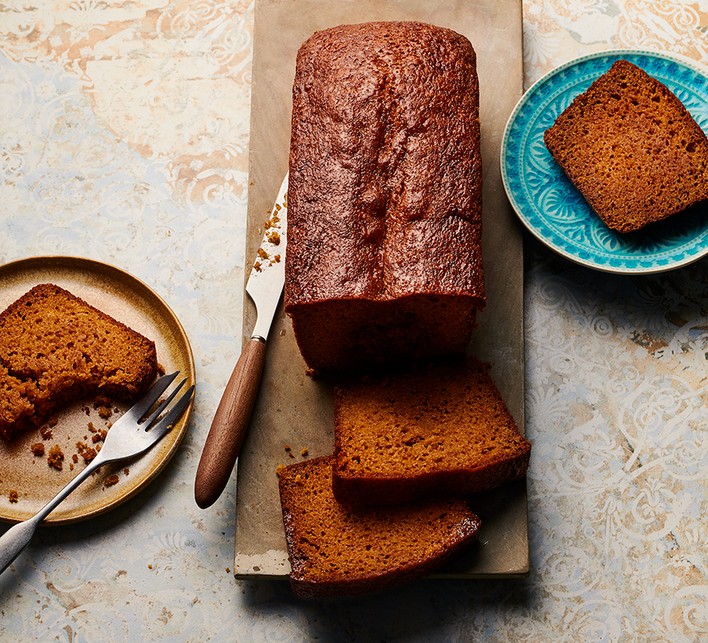
Beyond cake, ginger bread, cookies, and biscuits continue to hold a special place in Caribbean-style baking. They carry the spice beautifully and remind visitors that Jamaican ingredients often have more personality and depth than they expect.
More than flavor
Ginger has been used for centuries and is mentioned in ancient Chinese, Indian, and Middle Eastern writings, including the Quran. In Jamaica, it is not seen only as a kitchen ingredient. It also carries a long reputation as one of nature’s useful plants, especially in home traditions and everyday wellness habits.
Jamaican ginger is often associated with relief from motion sickness and symptoms such as nausea, vomiting, and dizziness. It is also widely known for its anti-inflammatory properties and is commonly valued for supporting the immune system. These associations have helped keep ginger relevant in both traditional and modern life.
Why it stands out
What makes Jamaican ginger memorable is not only its heat, but its balance of sharpness, fragrance, and freshness. It can be bold without being harsh, and warming without losing brightness. That is why it works so well in everything from beer and tea to cakes and savory dishes.
- Ginger beer: one of the best-known and most widely enjoyed ginger-based drinks.
- Ginger tea: a familiar island remedy and a soothing hot drink.
- Ginger cake and bread: rich, spiced baked favorites with lasting appeal.
- Cookies and biscuits: simple treats that carry ginger’s warmth beautifully.
- Traditional use: often appreciated for sinus-clearing comfort and overall relief.
In the end, ginger may be enjoyed around the world, but Jamaican ginger has a reputation all its own. Strong, fragrant, and full of life, it remains one of the island’s most distinctive ingredients and one of the clearest examples of how Jamaica turns natural flavor into cultural identity.
Editorial note: This page is intended as a cultural and food guide feature for travelers exploring Jamaican ingredients and local flavors. Traditional uses mentioned here reflect common appreciation of ginger in daily life and are not a substitute for professional medical advice.