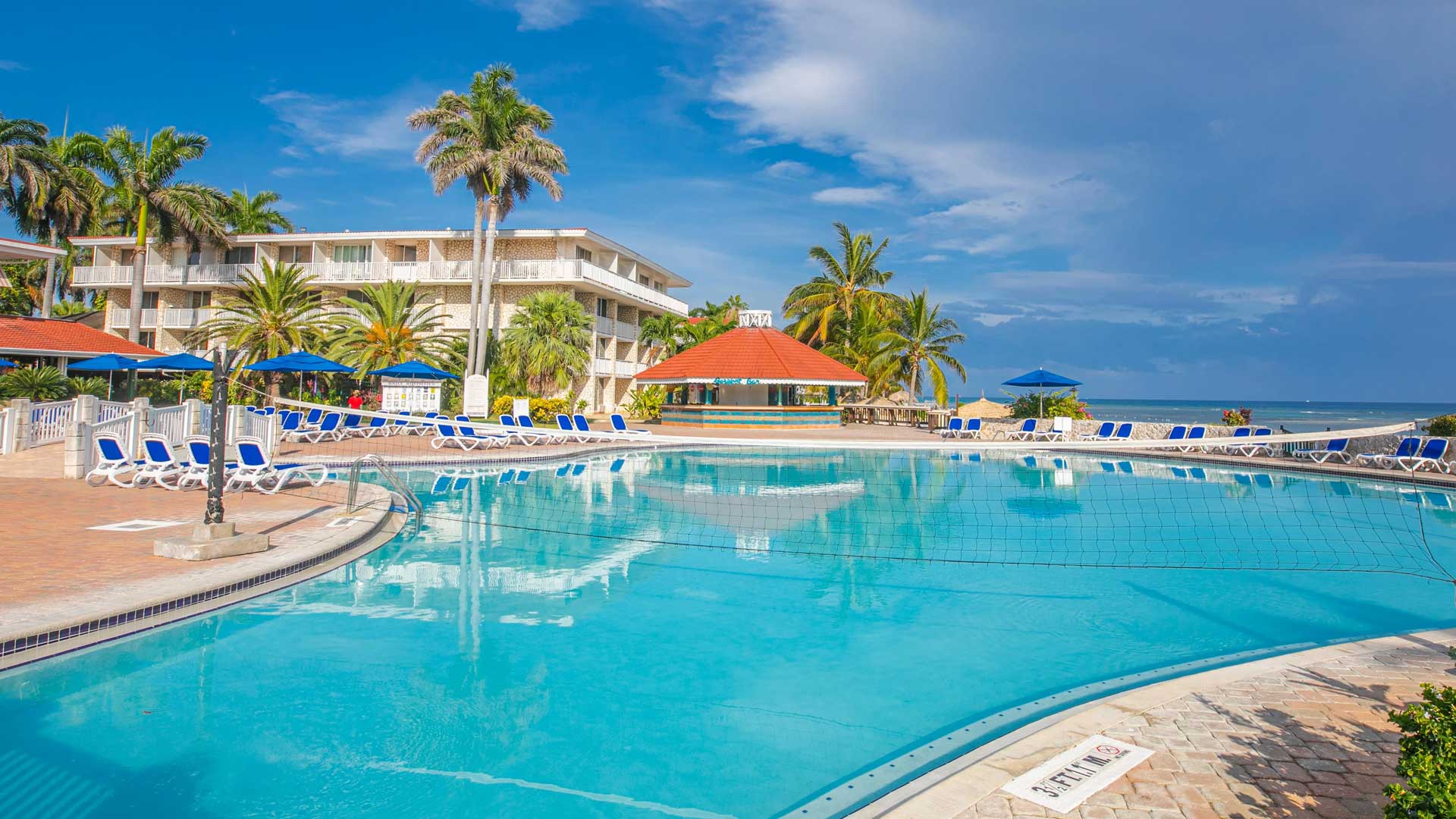
The Good and the Damage of All-Inclusive Hotels in Jamaica
The concept is beautiful and reassuring—but what does Jamaica lose when the entire vacation remains behind the resort gates?
The all-inclusive hotel may be one of the most successful ideas in modern Caribbean tourism. Its promise is simple, beautiful and reassuring: pay before you travel and know approximately what your vacation will cost.
Once airfare, airport transportation, accommodation, meals, drinks and entertainment have been arranged, the largest expenses are behind you. There is no need to calculate the price of every breakfast, cocktail or evening show. Guests can arrive in Jamaica, unpack and relax.
For families managing a budget, couples planning a honeymoon and first-time international travellers, that certainty is extremely valuable. It removes anxiety from the vacation and makes Jamaica feel accessible, organized and safe.
But the very feature that makes the all-inclusive model so attractive can also become its greatest weakness. When almost everything is available behind the gates, visitors have little practical reason to leave—and Jamaica can slowly disappear from its own tourism experience.
Why the all-inclusive concept works
The model solves several genuine travel concerns at once. Guests can pay for most of their trip in advance, arrange a dependable airport transfer and avoid constantly reaching for a wallet after arrival.
Accommodation, meals, drinks and entertainment are bundled into one predictable vacation budget.
Families, couples and first-time visitors can relax inside a carefully managed environment.
Meals are ready. Drinks are available. Entertainment is scheduled. Beaches and swimming pools are close by. Parents can more easily control the cost of a family vacation, while couples can focus on enjoying their time together.
That convenience should not be dismissed. Jamaica competes with destinations across the world, and well-managed all-inclusive hotels help the country attract travellers who might otherwise choose Mexico, the Dominican Republic, The Bahamas or another Caribbean island.
These resorts create employment, purchase goods and services, support transportation providers and contribute taxes and foreign exchange. They are an important part of Jamaica’s tourism industry.
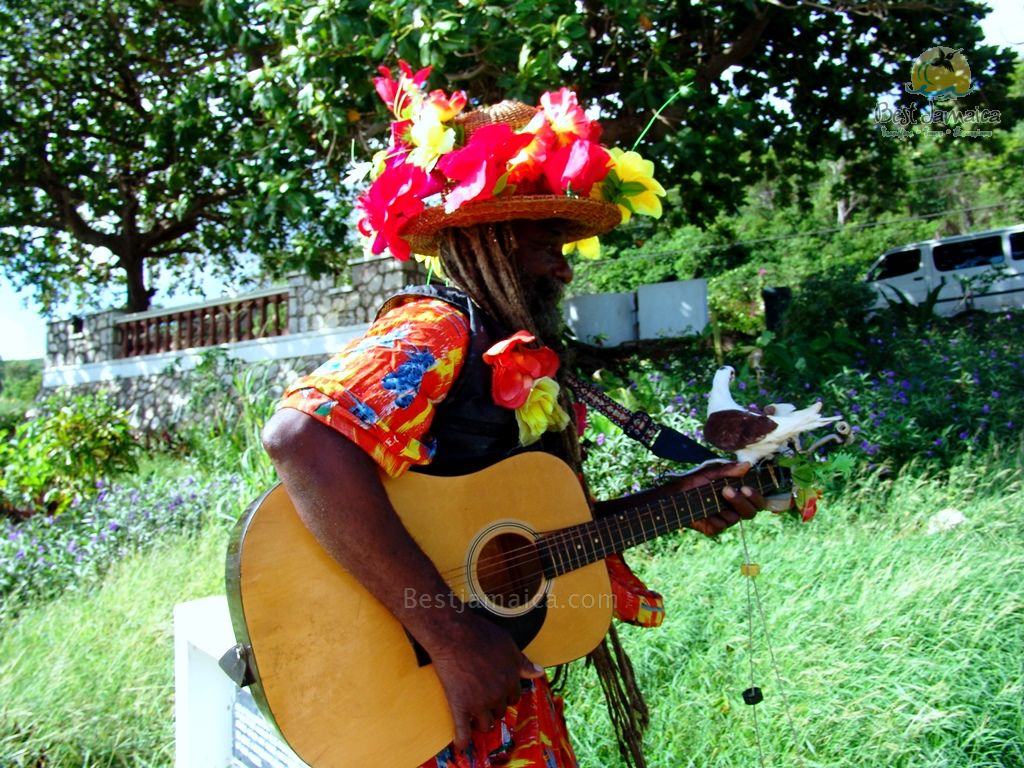
The hidden cost of having everything included
“All-inclusive” does not mean that every product can be offered without limits. Every meal, bottle and activity must fit within the operating budget created from the package price.
This can affect variety and quality. Some properties deliver outstanding cuisine and premium spirits, but others rely heavily on buffet dining, standardized menus and house-brand alcohol. Top-shelf drinks, distinctive Jamaican meals and premium experiences may require an upgrade—or may not be available at all.
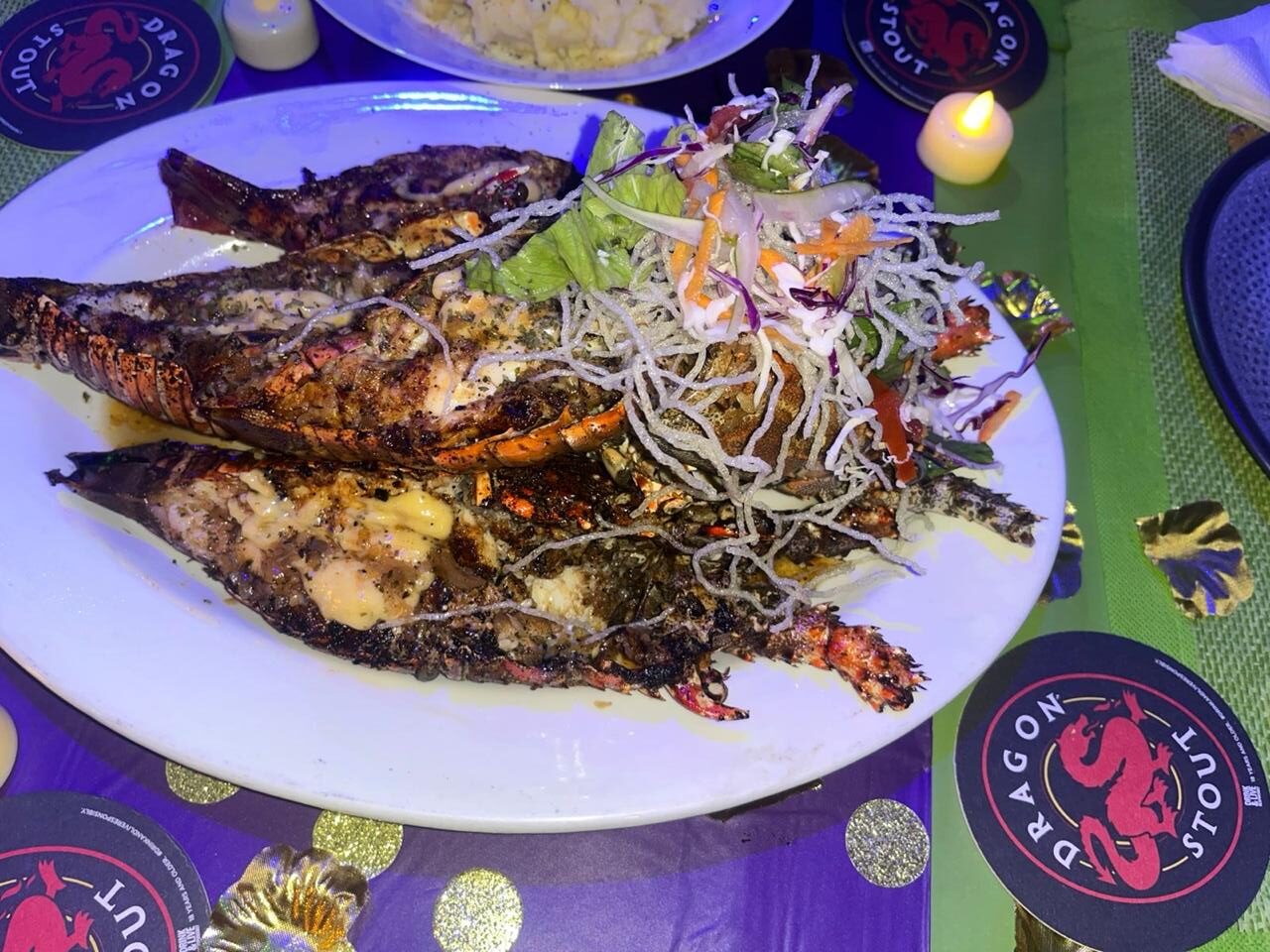
More importantly, travellers who have already paid for unlimited meals may feel that dining elsewhere means paying twice. Even when a remarkable jerk centre, seafood restaurant or family-owned café is nearby, leaving the property can appear wasteful.
That decision makes perfect sense for the individual guest. Repeated across millions of visitor nights, however, it carries serious consequences.
Tourism money does not spread far enough
Tourism is most powerful when visitor spending moves through many layers of the economy. A meal at a local restaurant supports the owner, chef, server, farmer, fisherman, taxi operator and other suppliers. A community excursion may support guides, craft vendors, photographers and small attractions.
When most spending remains inside a large resort, fewer independent businesses participate directly in the visitor economy. Restaurants outside the hotel struggle to attract tourists who have already purchased every meal. Local bars, entertainment venues, craft markets and smaller attractions encounter the same problem.
The resort may be full while surrounding communities receive only a fraction of the potential benefit.
Even Jamaican crafts are moving behind the gates
Craft shopping once gave visitors a natural reason to visit local markets, speak directly with artisans and learn the stories behind Jamaican woodcarvings, paintings, jewellery and handmade gifts. Today, crafts are increasingly sold within resort properties for maximum convenience.
Some of those products may genuinely come from Jamaican artists, and responsible hotels can create valuable opportunities for local suppliers. But when the entire transaction happens inside the resort, independent craft markets lose foot traffic and visitors lose the human connection that gives the artwork meaning.
A souvenir purchased from a shelf can be attractive. A piece selected while speaking with the person who created it becomes part of the journey.

When “no tipping” affects the people serving guests
Tipping policies vary from one hotel to another. Some resorts encourage gratuities, some say they are included, and others restrict or prohibit employees from accepting tips.
The no-tipping promise may sound convenient to travellers who believe every service charge has already been covered. For many waiters, housepersons, bellmen and bartenders, however, direct gratuities can be an important addition to their income and a meaningful recognition of exceptional personal service.
When tipping is prohibited, the guest may be satisfied that everything is included while the employee loses a traditional opportunity to benefit directly from excellent service. Hotels that restrict gratuities therefore carry an even greater responsibility to provide fair wages, transparent service-charge distribution and meaningful employee benefits.
Travellers should check the policy of their particular hotel rather than place an employee in a difficult position. Where tipping is permitted, a thoughtful gratuity can reach the people who make the vacation feel personal.
Is Jamaica losing its flavour?
A traveller can spend seven days at a beautiful Jamaican resort, enjoy warm weather, swim in the Caribbean Sea and return home without having one meaningful encounter with Jamaica itself.
They may never smell jerk chicken cooking over pimento wood, hear an unplanned conversation in a small town, taste fruit from a roadside vendor or learn why Jamaicans relate to music, food and community as they do. They may see a polished performance of Jamaican culture without experiencing the living culture beyond the stage.
If the country becomes only a tropical backdrop for a standardized international resort product, Jamaica risks losing the distinctive flavour that made people want to visit in the first place.
The resort gates can create the wrong impression
All-inclusive hotels often provide a controlled environment because visitors value security and predictability. Yet when guests are encouraged to treat everything outside the property with suspicion, the message can become damaging.
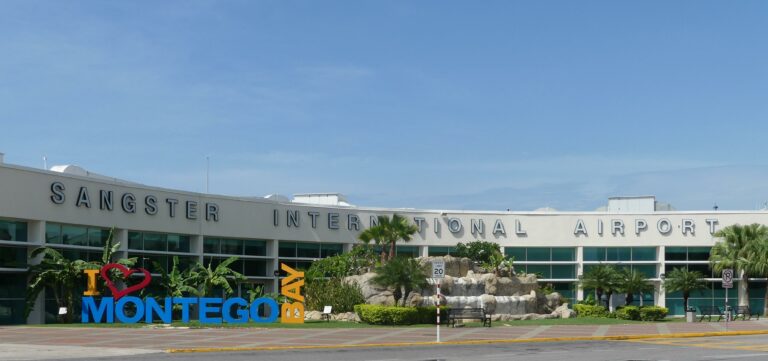
Jamaica is not merely the space between Sangster International Airport and a resort lobby. It is a living country filled with communities, history, music, cuisine, rivers, farms, artists and entrepreneurs.
Travellers should use reputable transportation providers, licensed tour operators and ordinary safety precautions. But responsible exploration is different from isolation. Visitors should not become so fearful that they never meet the destination they travelled thousands of miles to see.
A better model: enjoy the resort and explore Jamaica
The answer is not to reject all-inclusive hotels. They offer comfort, employment and tremendous value, and they remain the right choice for many travellers.
The better approach is balance.
Stay at the resort. Enjoy the beach, restaurants, entertainment and convenience you have already purchased. Then reserve one or two days to experience the country beyond the gates.
Visit a locally owned restaurant. Book a private excursion with a Jamaican operator. Explore a waterfall, rafting river, historic community or working farm. Stop for fresh fruit. Speak with the people you meet. Purchase something directly from a local craftsperson.
Hotels can become part of the solution by developing stronger partnerships with community businesses, featuring authentic local cuisine, inviting independent Jamaican talent into their programmes and encouraging guests to explore safely.
Tour operators and transportation companies also carry a responsibility. Excursions should not simply move visitors from one commercial compound to another. A good guide should help travellers understand Jamaica, respect its people and connect with its culture honestly.
Jamaica should be more than the view from a resort
The all-inclusive concept is not the enemy. The danger lies in allowing convenience to become complete separation.
A great Jamaican vacation can provide both reassurance and discovery: a comfortable resort, dependable airport transportation, meals already covered—and the freedom to step outside and encounter something real.
Visitors benefit because their vacation becomes richer and more memorable. Local businesses benefit because tourism income reaches deeper into the country. Jamaica benefits because its culture remains central to the experience rather than becoming decoration around it.
Begin your Jamaican experience with people who know Jamaica
Arrange dependable private transportation from Sangster International Airport, then make time to discover the communities, flavours and experiences beyond your resort.
Come to Jamaica for the sunshine and the sea. Enjoy the comfort of your resort. But before returning home, go beyond the gates. The real Jamaica is waiting there.