
Jamaica Tourism Is Down 17% — But Latin America Is Changing the Story
Jamaica’s visitor numbers remain below last year’s levels as the island navigates reduced hotel inventory and weakness in its traditional North American market. But a new tourism story is developing to the south: stronger air connections with Colombia, Peru and Panama are opening Jamaica to a rapidly expanding Latin American visitor market.
Jamaica’s tourism industry is having an unusual year. The headline number is difficult to ignore: visitor arrivals are approximately 17% below the comparable period a year earlier.
Yet focusing only on that decline misses one of the most interesting changes taking place in Jamaican tourism.
Jamaica welcomed approximately 2.34 million visitors and generated approximately US$2.5 billion in tourism earnings through August 31, 2026, according to figures released by Jamaica’s tourism authorities.
Tourism revenue was also reported below the previous year’s level. Meanwhile, Jamaica has been operating with substantially less than its normal hotel-room inventory during the recovery period.
The traditional North American market remains enormously important. At the same time, new airline connections are giving Jamaica greater access to travelers from Latin America — particularly Colombia, Peru and the wider region connected through Panama.
The Headline Numbers Tell Only Half the Story
Jamaica is receiving fewer visitors than during the comparable period, but the island is also operating in a tourism environment shaped by reduced room inventory and changes in airline capacity.
North America Is Still King — But It Is Having a Weaker Year
The United States and Canada have long been central to Jamaica’s tourism economy. Millions of airline seats, close geographic proximity and decades of destination marketing have made North America Jamaica’s dominant visitor source region.
That relationship has not disappeared.
But 2026 has exposed how vulnerable an island destination can be when its tourism economy depends heavily on a relatively small number of major source markets.
Reduced airlift, concerns over higher airfares and Jamaica’s ongoing restoration of hotel inventory have contributed to a more challenging year from traditional markets.
And that is precisely why developments farther south are becoming increasingly important.
Look South: Latin America Is Becoming Part of Jamaica’s Tourism Story
For years, Jamaica has talked about diversifying its tourism markets. Airlines are now beginning to make that ambition considerably more tangible.
Panama City Opens a Gateway to the Region
Panama is strategically important because it is more than a single origin market. Connections through Panama City can place Jamaica within reach of travelers from numerous cities across Central and South America.
Copa AirlinesLima Creates a New Bridge to South America
Improved connectivity involving Peru gives Jamaica greater visibility and accessibility in one of South America’s major aviation markets, reducing the complexity that previously discouraged some travelers.
LATAMMedellín Now Connects Directly With Montego Bay
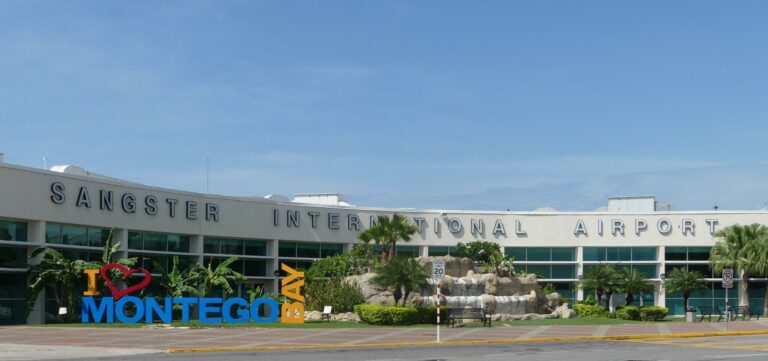
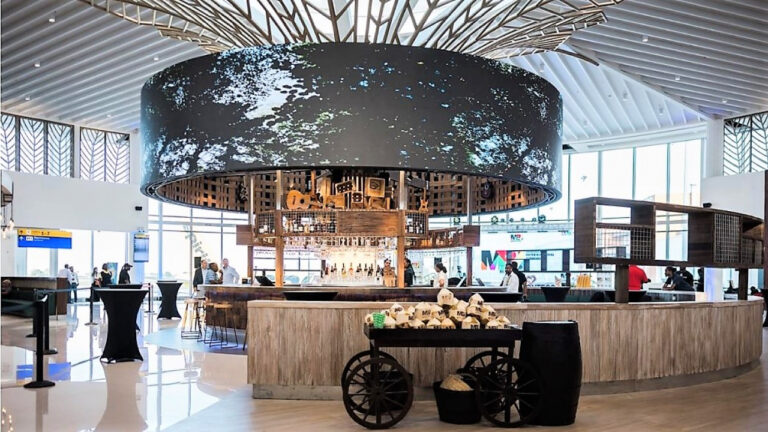
Colombia may be the most fascinating development. Direct service between Medellín and Montego Bay brings Colombian travelers directly into Jamaica’s principal tourism gateway at Sangster International Airport.
WingoJamaica Doesn’t Need to Replace North America. It Needs More Doors Into the Island.
Tourism diversification reduces dependence on any single country, airline market or economic cycle. New connections can introduce Jamaica to travelers who previously saw the island as difficult or expensive to reach.
Why a Broader Visitor Market Makes Jamaica Stronger
Tourism markets change. Economies slow. Airlines move aircraft. Ticket prices rise. Consumer confidence fluctuates.
When a destination depends disproportionately on a handful of countries, changes in those markets can quickly appear in arrival statistics.
Developing Latin America gives Jamaica another source of potential growth.
It also introduces the destination to millions of travelers living much closer to Jamaica than many people realize.
Colombia is particularly noteworthy. A direct flight from Medellín to Montego Bay eliminates the need for many travelers to connect through another country before beginning their Jamaican vacation.
More International Connections Mean More Travelers Exploring Jamaica
Visitors arriving in Jamaica continue from the airport to hotels, villas and resorts across the island. Planning that final part of the journey before arrival can make the transition from aircraft to vacation much simpler.
Jamaica Airport Transportation
Travelers heading to resorts and accommodations across Jamaica can arrange private transportation before their arrival.
Jamaica Airport Transportation →Montego Bay Airport Transportation
Travelers flying into Sangster International Airport can learn more about MBJ pickup, private transfers and transportation to Jamaica’s major resort areas.
Montego Bay Airport Transportation →Every New Flight Reaches Far Beyond the Runway
International air service feeds an entire tourism economy.
Travelers arriving in Montego Bay continue to hotels in Rose Hall, Falmouth, Lucea, Negril, Runaway Bay and Ocho Rios. They visit attractions, restaurants and communities throughout Jamaica.
That means successful new air routes can create economic activity far beyond the airport itself.
So, Is Jamaica Tourism Really in Trouble?
A 17% decline in visitor arrivals is significant and should not be minimized. North America remains Jamaica’s dominant tourism market, and weakness there matters enormously.
But tourism statistics need context.
Jamaica has also been operating with reduced hotel capacity while the country’s accommodation sector continues its recovery. Airline capacity and airfare pressures have added another layer to the situation.
That may become one of the most important tourism questions facing the island over the next several years.
It would be premature to suggest that Colombia, Peru, Panama or Latin America generally will replace Jamaica’s enormous North American visitor base. That is not the point.
The opportunity is diversification.
Copa’s connectivity through Panama, LATAM’s Peru service and Wingo’s direct Colombia connection are helping make Jamaica accessible to travelers who previously had fewer convenient ways to reach the island.
If these routes mature successfully — and additional airlines and destinations follow — Jamaica could emerge from the present recovery period with a broader and more resilient tourism market than it had before.