
Falmouth, Jamaica
Falmouth is one of the more layered destinations on Jamaica’s north coast. It combines preserved town character, cruise-port energy, river scenery, glowing lagoon waters, and a resort coastline that stretches through the wider Trelawny district.
What gives it appeal is range. You can move from history and architecture to water-based experiences and modern beachfront stays without the area feeling disconnected from itself.
Falmouth works best for travelers who want more than a standard resort stop and prefer places with real texture.
Why Falmouth feels different
It is not just a stop between larger resort zones. It has its own character, scale, and historical weight.
Falmouth sits between Montego Bay and Ocho Rios, but it does not feel like a place you simply pass through. The town has long been recognized for its architecture and civic history, while the surrounding area adds river landscapes, coastal movement, cruise traffic, and several major resorts.
That combination makes Falmouth useful to different kinds of travelers. It works for cruise visitors, resort guests, day-trippers, and anyone who wants a more grounded sense of Jamaica beyond a single beach corridor.
Why people spend time here
- To explore one of Jamaica’s most historic towns.
- To visit natural highlights such as the Luminous Lagoon and Martha Brae River.
- To stay along the Trelawny resort coast.
- To combine history, scenery, and coastal access in one destination.
History and cultural character
Falmouth’s appeal comes partly from the way its past still shows up clearly in the present.
Georgian planning and architecture
Falmouth developed into an important 18th-century port town, and much of its identity still comes from that era. The street pattern and surviving buildings give the town a distinct visual signature.
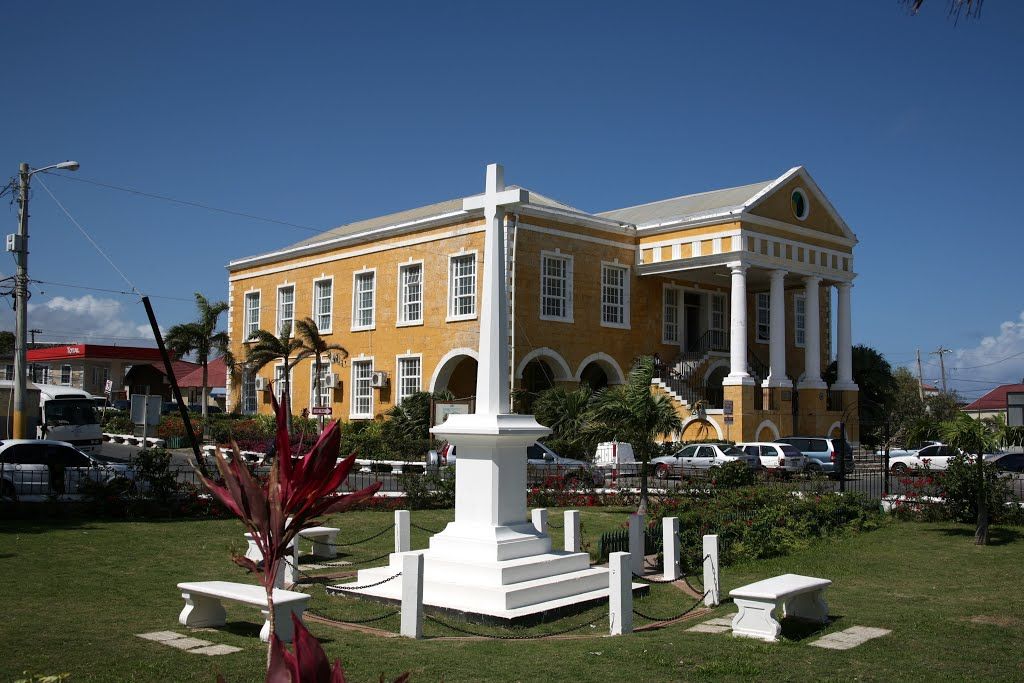
Falmouth Court House
Built in 1815, the Court House remains one of the town’s best-known landmarks and continues to anchor the center visually.
William Knibb and social change
The town also connects to wider Jamaican stories of abolition, reform, and Baptist influence, which gives it significance beyond architecture alone.
Albert George Market and daily life
Falmouth’s story is not only preserved in buildings. It is also carried in ordinary trade, conversation, and the movement of a working town.
Historic, but not frozen
That balance between preserved form and everyday life is one reason Falmouth feels more interesting than a purely resort-focused stop.
Two of the area’s strongest natural scenes
Water and landscape add another dimension to the wider Falmouth experience.
Luminous Lagoon
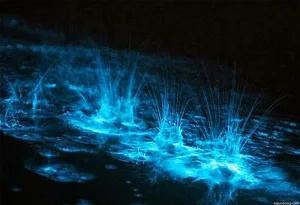
Known for bioluminescent conditions that can make the water glow at night, it remains one of the area’s most distinctive natural sights.
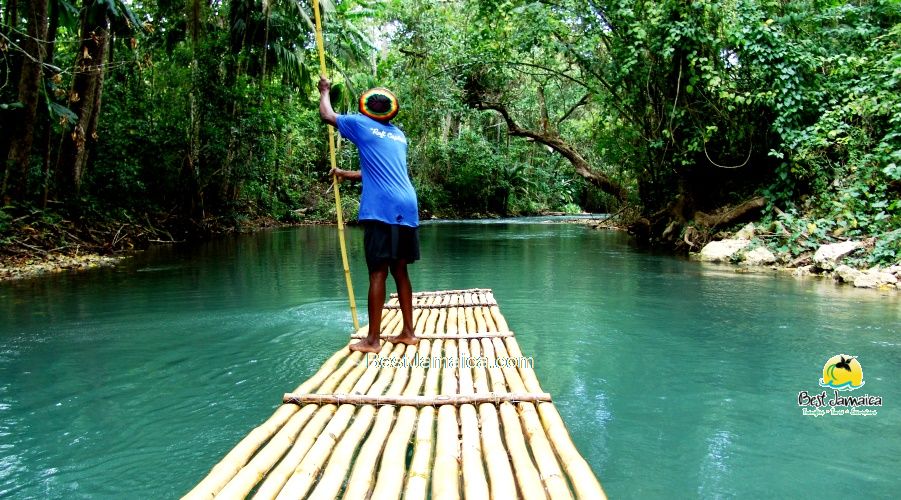
Martha Brae River
The river adds a calmer, greener contrast to the town’s built and coastal character.
Falmouth Cruise Port
The port connects visitors not only to the town itself, but to the wider landscapes and experiences of Trelawny.
More than a point of arrival
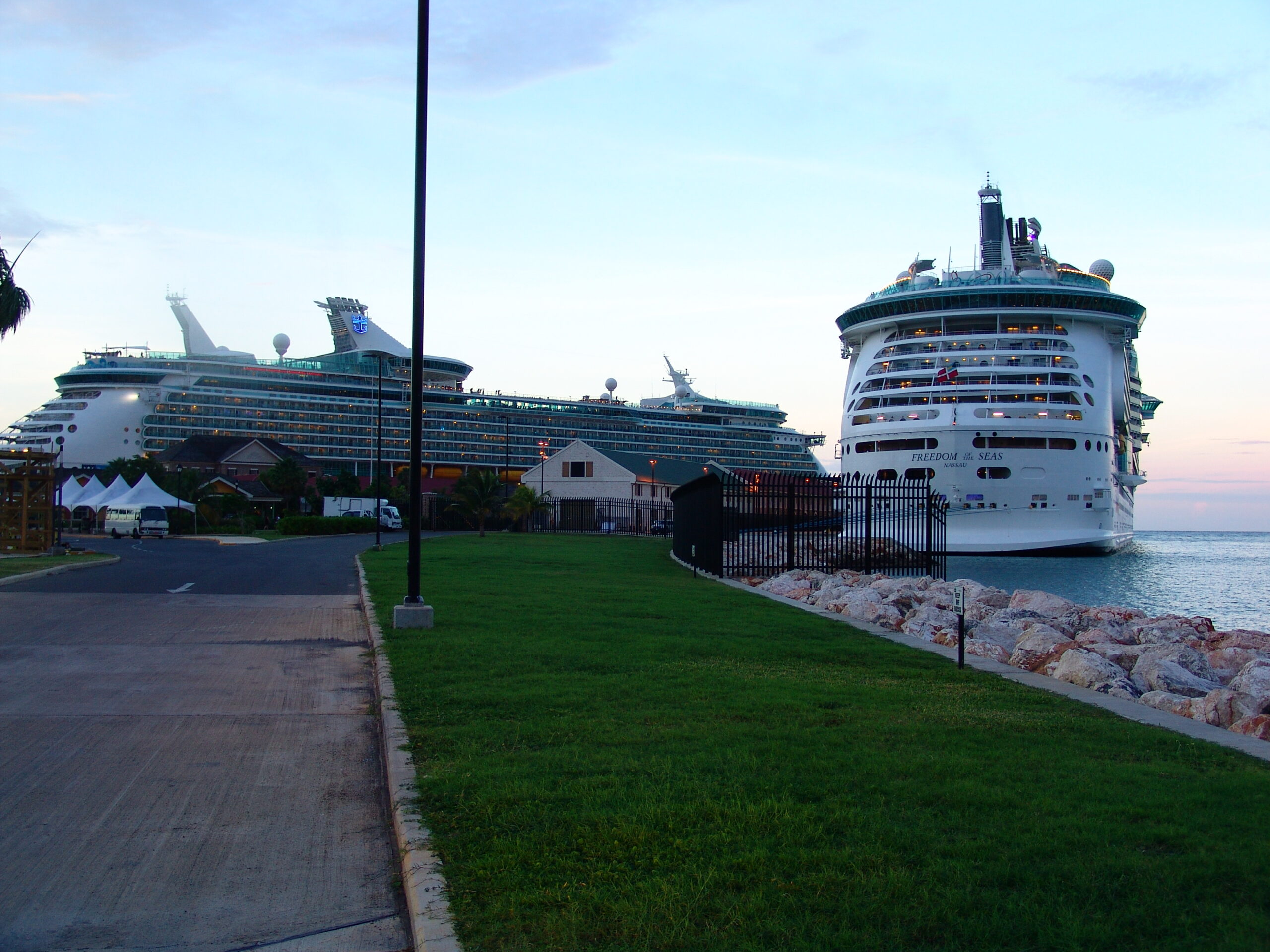
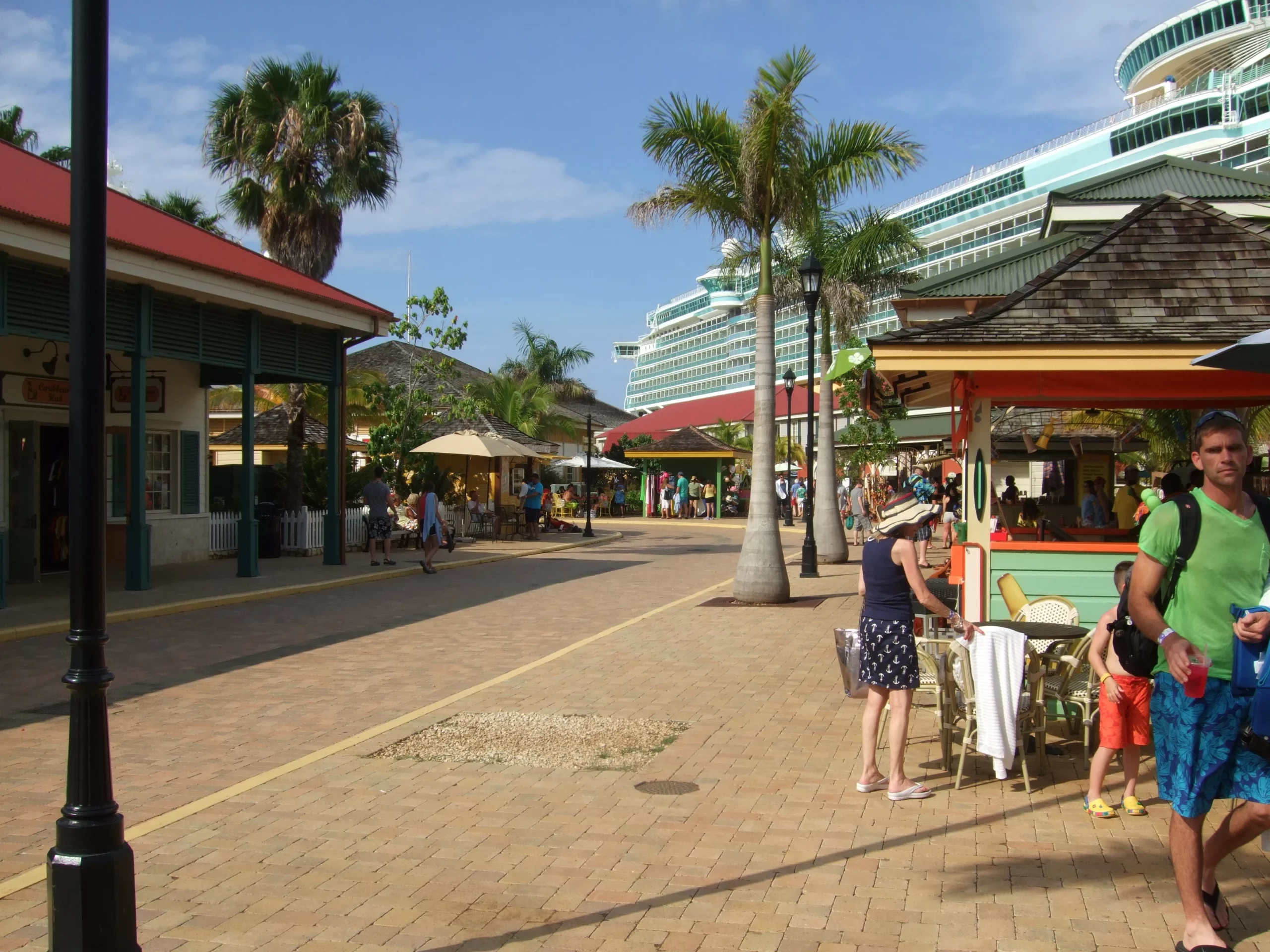
Falmouth Cruise Port is one of Jamaica’s key cruise gateways. Its location makes it especially useful because visitors can move quickly between the port, the town center, nearby water-based experiences, and the broader resort coastline.
Town access: Easy connection to central Falmouth, heritage landmarks, and local movement.
Nature nearby: Lagoon visits, river experiences, and coastal sightseeing are all within reach.
Excursion range: The area works for both short outings and longer day-trip planning.
Resort corridor: The wider coastline includes several of the area’s best-known beachfront resorts.
A smaller landmark with a larger story
The Persian Waterwheel adds another layer to Falmouth’s civic and technical history.
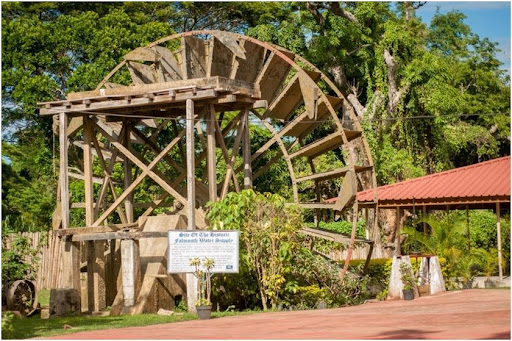
The Persian Waterwheel
The Persian Waterwheel is one of Falmouth’s most fascinating historic landmarks. It played a key role in the town’s early water system, and by 1799 Falmouth already had running water because of it. Remarkably, the waterwheel still turns today.
While it is not the largest attraction in town, it reveals an important part of Falmouth’s development. It shows that the town was not only elegant and well planned, but also unusually advanced for its time.
Top attractions in and around Falmouth
The area works best when understood as both a town and a wider destination zone.
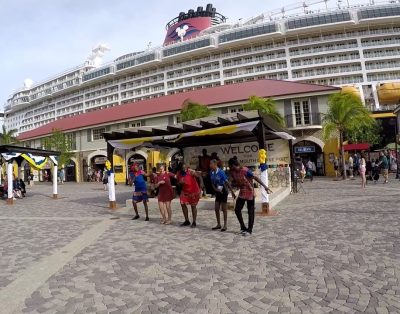 Cruise Hub
Falmouth Cruise Port district
A busy arrival point that links visitors with the town, local activity, and the wider Trelawny coast.
Heritage
Historic town center
The old core remains one of the strongest reasons to experience Falmouth beyond transit or resort travel.
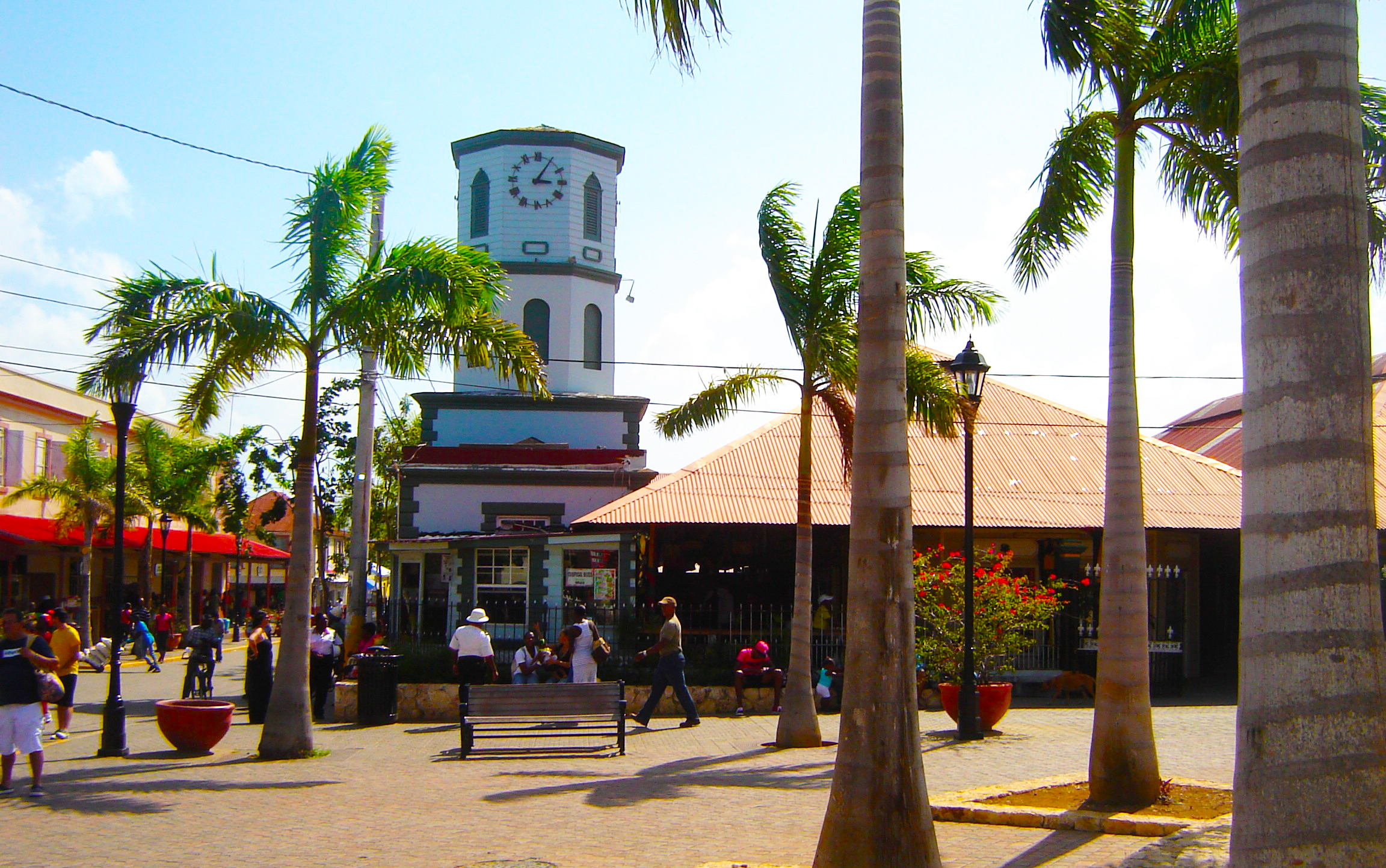 Local Life
Albert George Market
A useful window into everyday town rhythm, trade, and movement.
River
Martha Brae River
The river adds a calmer, greener contrast to the built and coastal parts of the district.
Night Nature
Luminous Lagoon
One of the area’s signature natural experiences and a major reason travelers explore beyond the town itself.
Landmark
Persian Waterwheel
A smaller site, but one that adds useful context to Falmouth’s civic and engineering history.
Resorts in the wider Falmouth area
The coastline around Falmouth has become one of the more recognizable resort belts on Jamaica’s north coast.
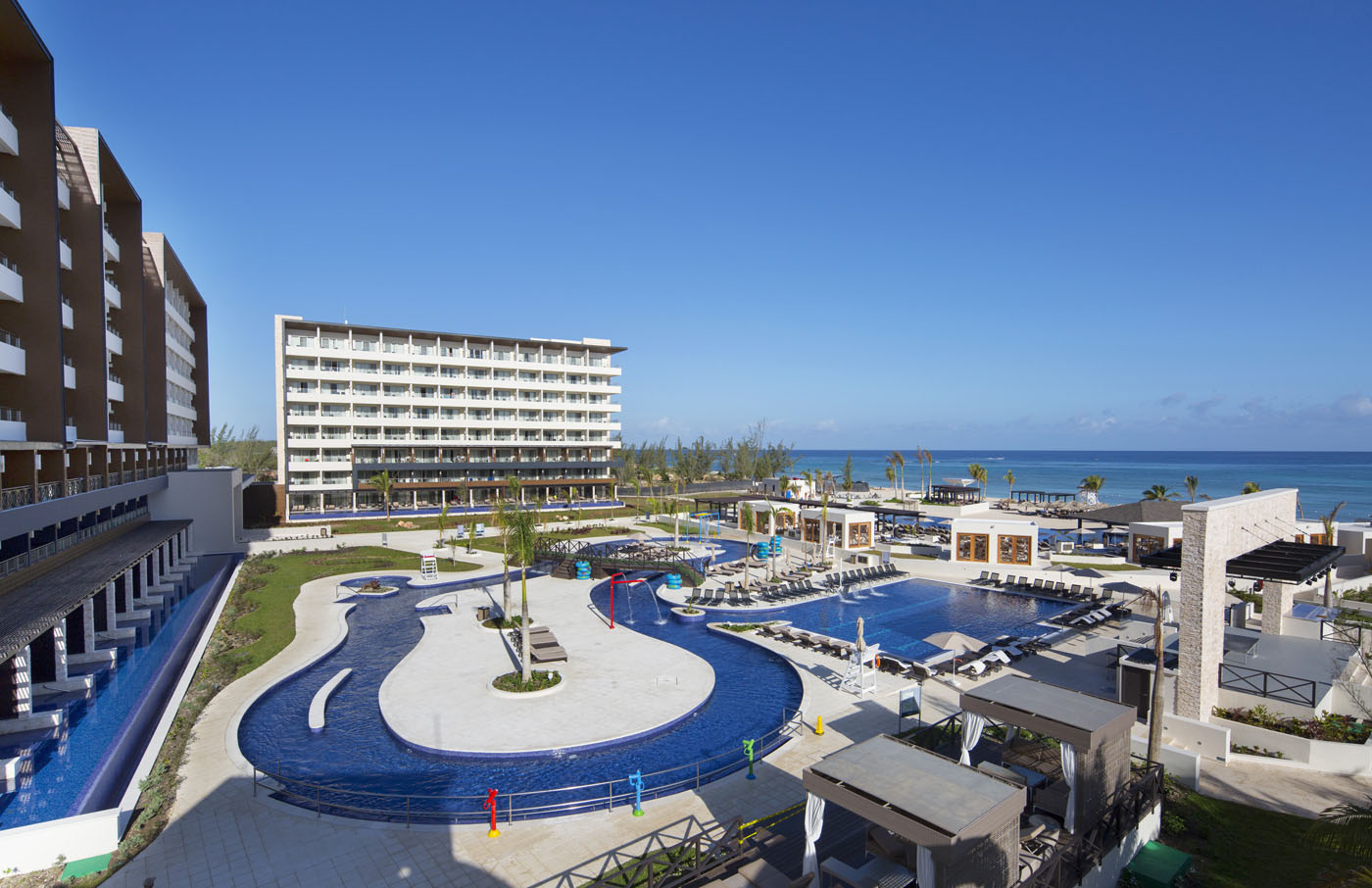
Royalton White Sands & Blue Waters
Part of the modern beachfront resort presence along the Trelawny coastline.
Arrival details for the Royalton area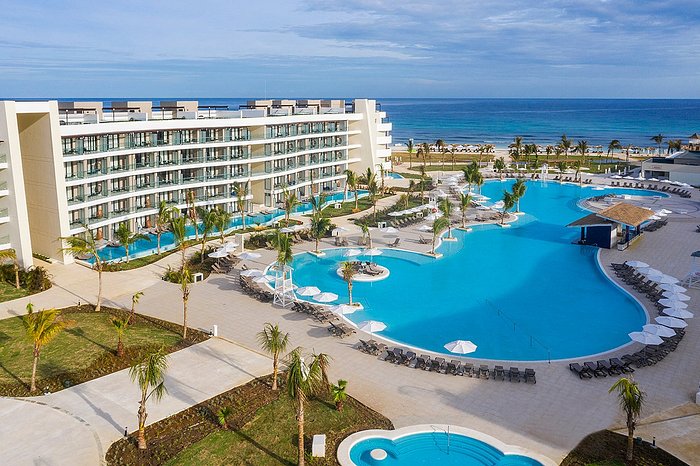
Ocean Coral Spring
A large contemporary resort with a broad footprint and visible presence on this stretch of coast.
Arrival notes for Ocean Coral Spring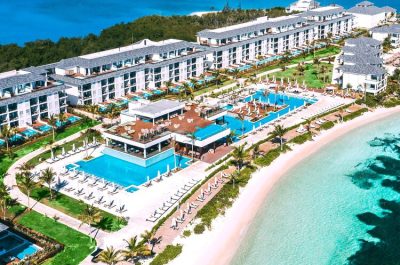
Excellence Oyster Bay
An adults-only peninsula resort known for a more tucked-away feel and open water views.
Getting to Excellence Oyster Bay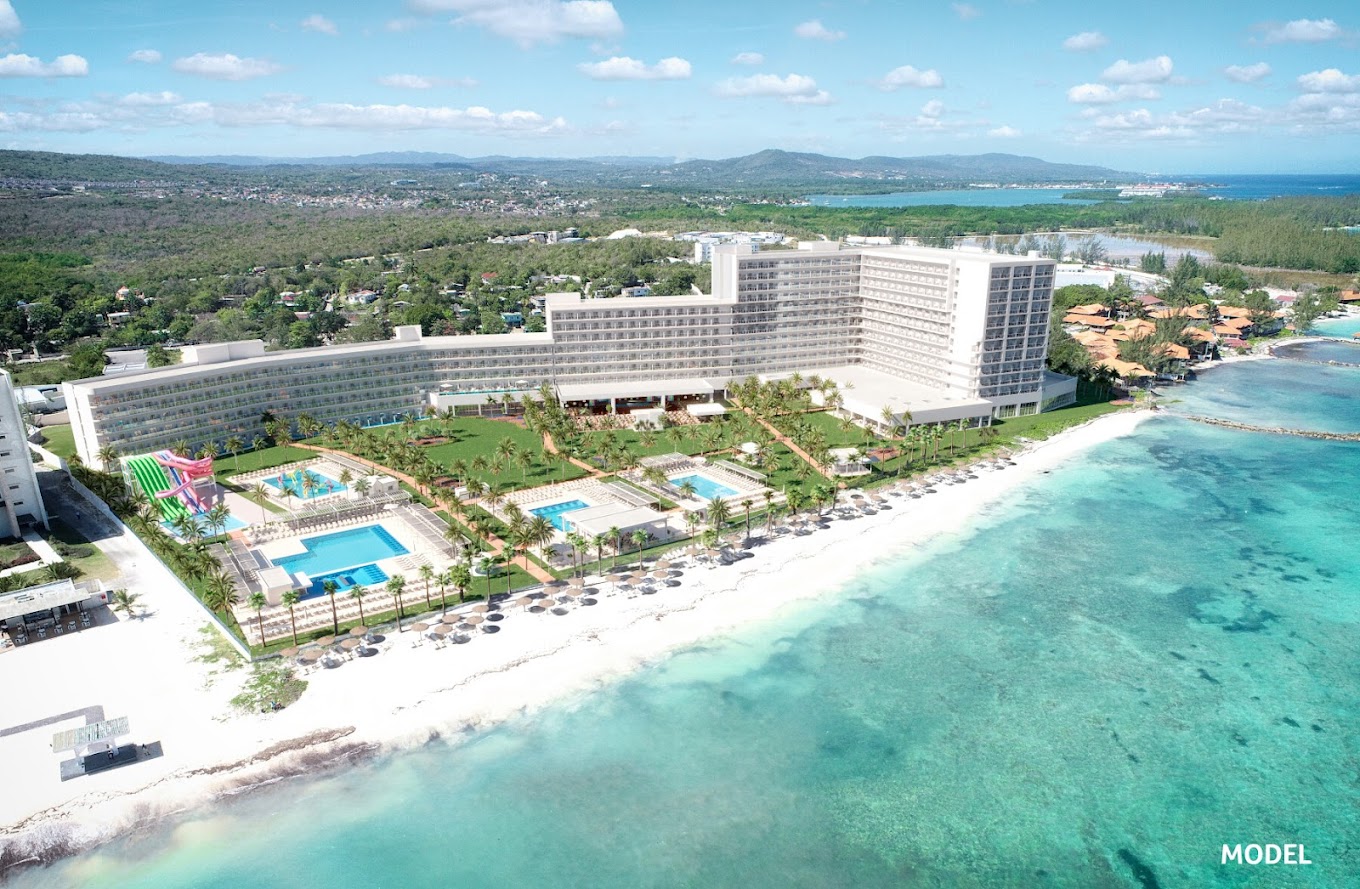
Riu Aquarelle
A newer addition that reflects the continued expansion of the Trelawny resort corridor.
Practical arrival information for Riu Aquarelle