
Jamaica Wants Latin America to Become Its Third-Largest Tourism Market
Colombia, Peru and Panama are helping reshape Jamaica’s tourism map, while Montego Bay becomes an increasingly important Caribbean gateway for Latin American travelers.
Jamaica’s tourism industry has traditionally looked north to the United States, Canada and the United Kingdom. Now the island is deliberately building another visitor corridor — this time toward Latin America.
The shift is already visible in the air. Direct service from Peru and Colombia, together with Copa’s connectivity through Panama, is giving travelers across the region easier access to Montego Bay.
Jamaica has already been building this market through new routes and expanding airline partnerships. Our earlier guide to direct flights between Latin America and Jamaica explains how Colombia, Peru and Panama have become the foundation of that strategy.
Peru Gives Jamaica a South American Gateway
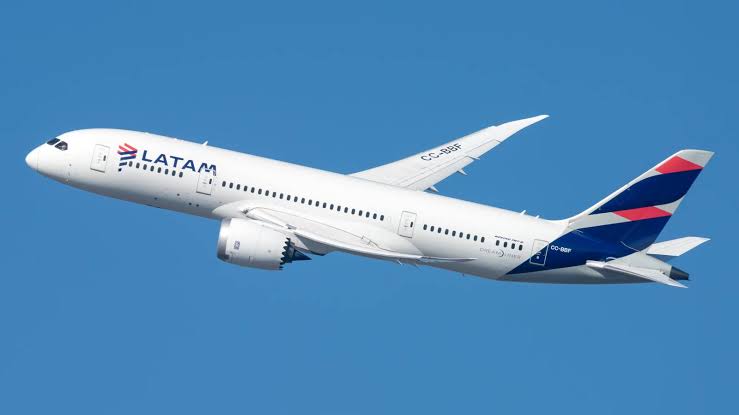
LATAM’s Lima–Montego Bay connection gives Jamaica direct access to Peru and a foothold inside one of South America’s largest airline networks.
Lima matters because it is more than a point-to-point market. It can also feed travelers from other parts of South America into Jamaica.
That makes the route strategically important for an island trying to broaden its visitor base beyond North America.
Three Gateways Are Driving the Expansion
Jamaica’s Latin American strategy is taking shape around three important aviation connections.
LATAM • Lima
Peru gives Jamaica direct access to western South America and LATAM’s wider regional network.
Wingo • Colombia
Bogotá and Medellín give Jamaica multiple entry points into one of the region’s most important outbound travel markets.
Copa • Panama
Panama City connects Jamaica with destinations across Central and South America through Copa’s regional hub.
Colombia Is Becoming One of Jamaica’s Most Important New Markets
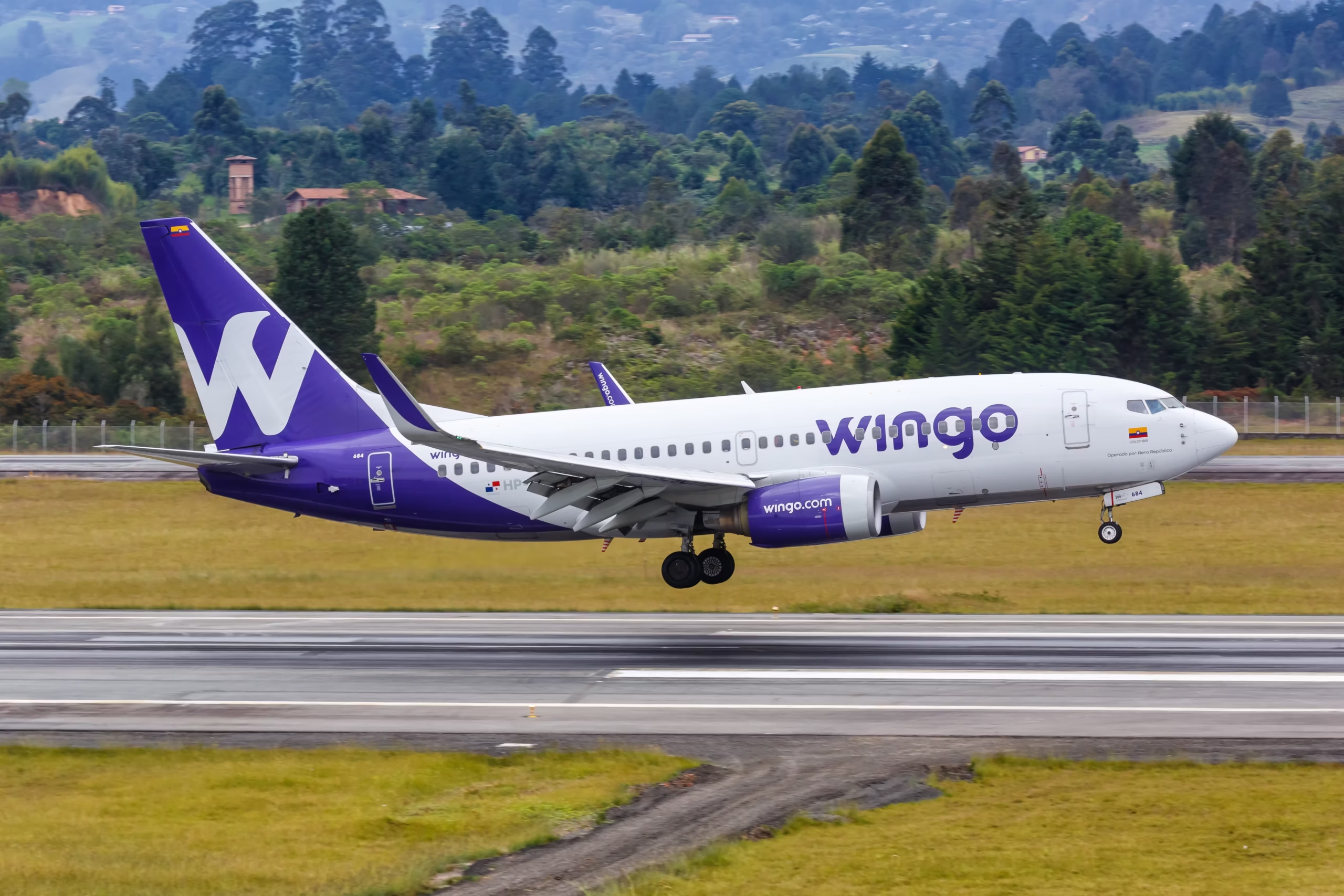
Wingo’s expansion from Colombia is one of the clearest signs that the strategy is moving beyond discussion and into real airline capacity.
The Medellín–Montego Bay service operates three times weekly and adds almost 32,000 annual seats to the market.
We covered the route in detail in our Montego Bay–Medellín direct flights guide , including Wingo’s schedule and the significance of the new connection.
The route also builds on earlier developments discussed in our report on the new Medellín to Montego Bay flight .
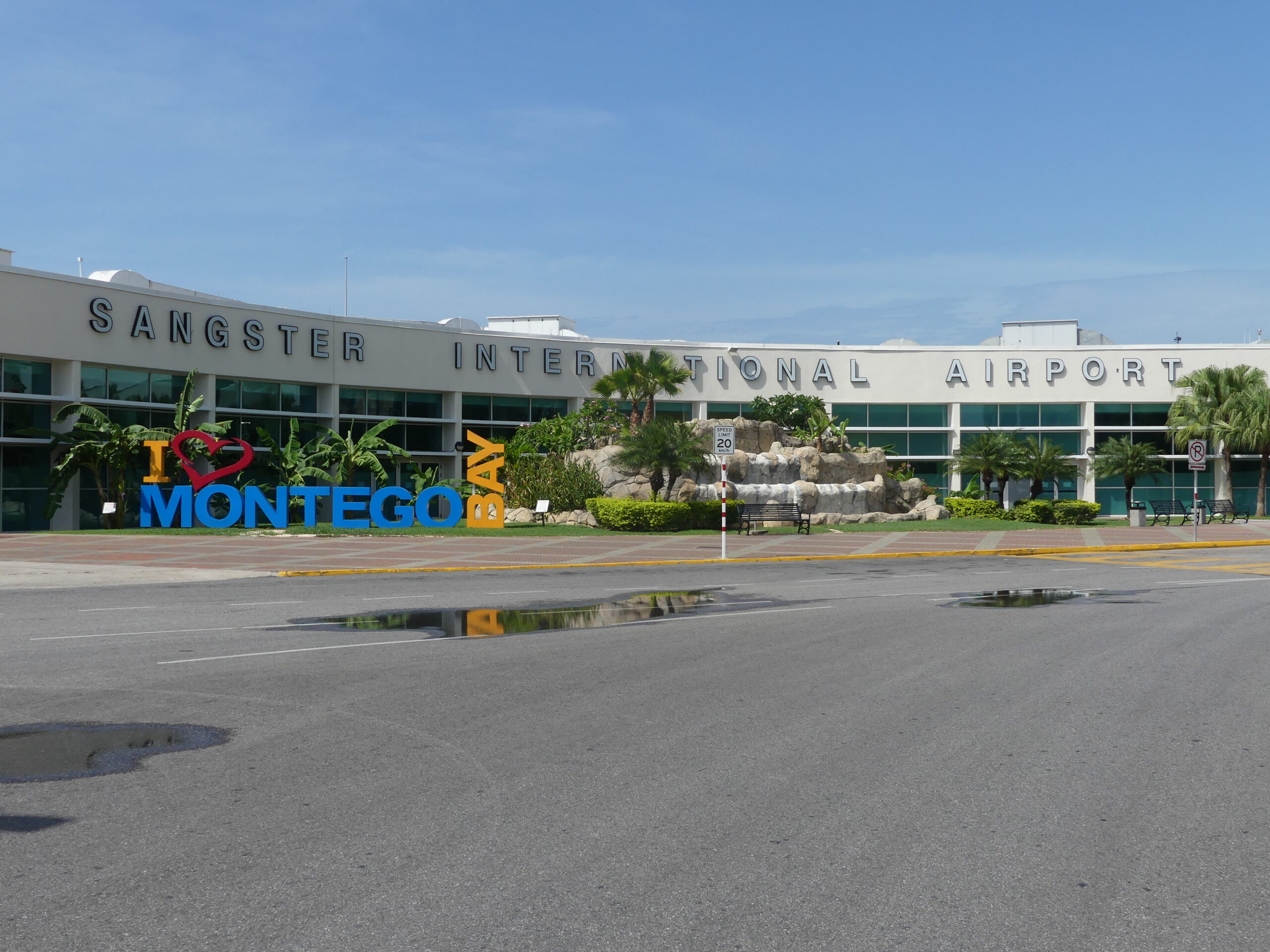
Montego Bay Is the Natural Gateway
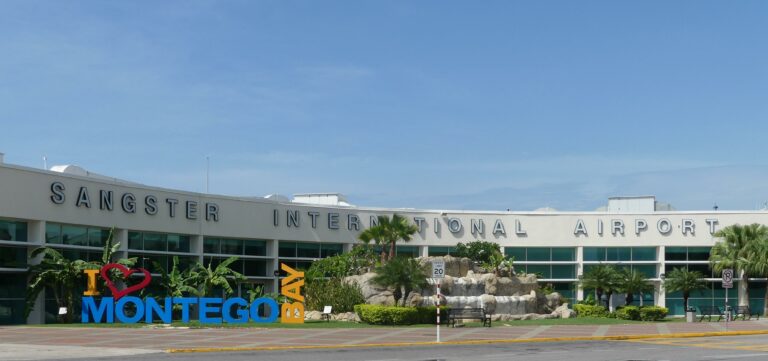
Sangster International Airport places arriving travelers close to many of Jamaica’s largest resort areas.
From MBJ, visitors can reach Montego Bay, Rose Hall, Trelawny, Negril, Lucea, Runaway Bay and Ocho Rios.
That means a new international route into Montego Bay is not simply a flight to one Jamaican city. It opens access to much of the island’s tourism corridor.
The Flight Lands. Then the Jamaica Journey Begins.
Travelers arriving from Colombia, Peru and elsewhere in Latin America usually continue from Sangster International Airport to hotels and resorts along Jamaica’s north and west coasts.
Visitors who want their ground transportation arranged before arrival can reserve Private Montego Bay Airport Transportation for direct airport-to-hotel service.
Another option is a pre-arranged Montego Bay Airport Private Shuttle Service from MBJ to hotels and resorts across Jamaica.

The Opportunity Extends Far Beyond Aviation
Growing Latin American arrivals create opportunities for hotels, transportation companies, attractions, restaurants and tour operators.
It also raises the importance of Spanish-language communication, culturally relevant marketing and better destination information.
Businesses that adapt early may be in the strongest position if Jamaica reaches its ambitious Latin American visitor targets.
Could Latin America Reach 10% of Jamaica’s Visitor Market?
That is the scale of the opportunity Jamaica is pursuing. If the market continues expanding, Latin America could become one of the island’s most important visitor regions by 2027.
The significance goes beyond passenger numbers. A stronger Latin American market would reduce Jamaica’s dependence on a relatively small number of traditional tourism sources.
Jamaica Is Looking South — And Montego Bay Is the Gateway
Colombia is becoming easier to reach. Peru now has direct connectivity. Panama provides access through one of Latin America’s strongest aviation hubs.
Other markets may follow as Jamaica continues building a more diversified tourism economy.
Jamaica’s next major tourism growth story may not come from the north at all. It may come from the south.