
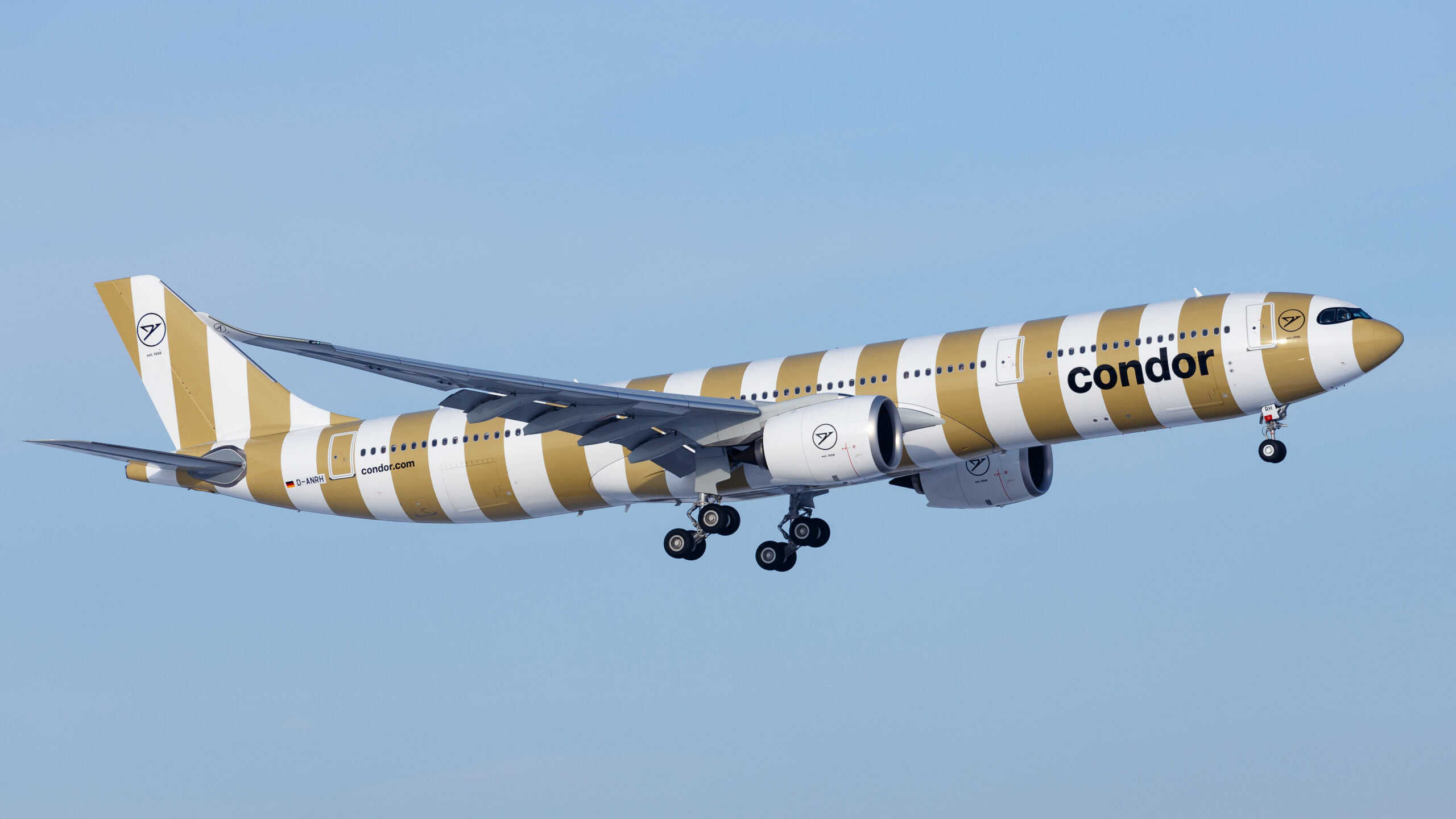
What the Emirates–Condor Codeshare Could Mean for Jamaica
Jamaica may not be getting an Emirates aircraft landing directly in Montego Bay, but the Emirates–Condor connection still matters. It places the island within easier reach of travelers moving through Dubai, Frankfurt, and other global gateways — and that could quietly reshape how some visitors reach Jamaica.
The story is about access, visibility, easier ticketing, and Jamaica becoming more connected to long-haul travelers.
The real story is connection, not confusion
The Emirates–Condor codeshare should be understood clearly. This is not Emirates launching its own nonstop aircraft service to Montego Bay. Instead, it allows travelers within the Emirates network to connect to Jamaica through Condor, with Frankfurt playing the key bridge role.
That distinction matters. For Jamaica, the value is not only in the aircraft that lands at Sangster International Airport. The value is in how easily a traveler in Dubai, the Middle East, Africa, India, or another Emirates-connected market can now see Jamaica as a more reachable destination.
Sometimes tourism growth does not begin with a new plane on the runway. Sometimes it begins when Jamaica becomes easier to find, easier to book, and easier to reach.
That is why this codeshare conversation matters.Why this matters for Montego Bay Airport
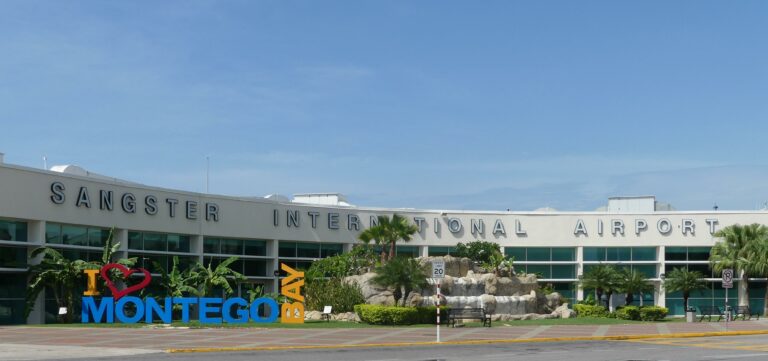
Montego Bay Airport is already Jamaica’s main vacation gateway. Most visitors heading to Montego Bay, Rose Hall, Falmouth, Runaway Bay, Ocho Rios, Negril, and Lucea arrive through MBJ. If international booking networks make Jamaica easier to access, Montego Bay is likely to feel that effect first.
For the traveler, the journey may look simple: Emirates to Frankfurt, then Condor onward to Montego Bay. Behind that simple route is something bigger — Jamaica being placed inside a wider global travel conversation.
That could help resorts, villas, attractions, restaurants, tour operators, and ground transportation providers. Visitors who arrive from farther markets often stay longer, plan more carefully, and spend across more parts of the local tourism economy.
What it could mean for Jamaica’s tourism future
Jamaica has always been powerful in the North American market. The United States and Canada remain deeply important. But the future of Jamaican tourism cannot depend on only one or two regions. More global connectivity gives Jamaica a chance to widen its base.
The Emirates–Condor link could help Jamaica become more visible to travelers who may know the Caribbean, but have not yet seriously considered Montego Bay, Negril, Ocho Rios, Falmouth, or the south coast. In tourism, visibility is half the battle.
The arrival experience becomes even more important
Long-haul travelers arriving in Jamaica after a connection through Europe may be tired, unfamiliar with the airport, and ready to get to their resort without confusion. This is where the arrival experience becomes part of the destination itself.
Visitors landing at MBJ often begin their vacation with immigration, baggage claim, customs, the arrivals hall, and then transportation to their hotel. A smooth airport pickup can set the tone for the entire trip.
Travelers comparing options for Montego Bay Airport Transportation will likely continue looking for clear pricing, reliable service, easy communication, and a straightforward meeting point after arrival.
United still has a different role in the conversation
United should not be confused with the Condor codeshare itself. The Emirates–Condor story is centered on Frankfurt and Condor’s Jamaica service. However, Emirates has also referenced interline travel options through partners such as United via Chicago or Houston, which shows that Jamaica’s access story is bigger than one route.
That is the larger point: Jamaica is becoming part of more international travel pathways. Whether the traveler connects through Frankfurt, Chicago, Houston, Toronto, or another hub, the island benefits when it becomes easier to place inside a global itinerary.
A quiet but important signal for Jamaica
The biggest tourism stories are not always loud. Sometimes they show up as a timetable, a partnership page, a codeshare note, or a new connection that makes a destination easier to book.
For Jamaica, the Emirates–Condor partnership is one of those signals. It shows that the island remains attractive enough to be included in wider international networks. It also reminds the industry that Montego Bay Airport is not just a Caribbean airport — it is a gateway into one of the most recognizable vacation destinations in the world.
If Jamaica continues to strengthen airlift, improve hotel availability, protect the visitor experience, and make arrivals smoother, this kind of global connectivity could become more than an airline footnote. It could become part of Jamaica’s next tourism growth chapter.
Jamaica’s next visitor may come from farther away
The traveler who once saw Jamaica as too far, too complicated, or too unfamiliar may now see a cleaner route: Dubai to Frankfurt, Frankfurt to Montego Bay, then on to the beach, the resort, the mountains, the food, the music, and the feeling that keeps people coming back.
That is what better connectivity can do. It does not just move passengers. It opens possibility.


Really loving the vibe here. The games are exciting and I’ve managed to hit a few decent wins already. It is just a great place to hang out and play. Visit bancanohuonline
I’ve been playing here for a while and the payouts are surprisingly fast. Definitely one of my favorite spots lately. Check out bb444