
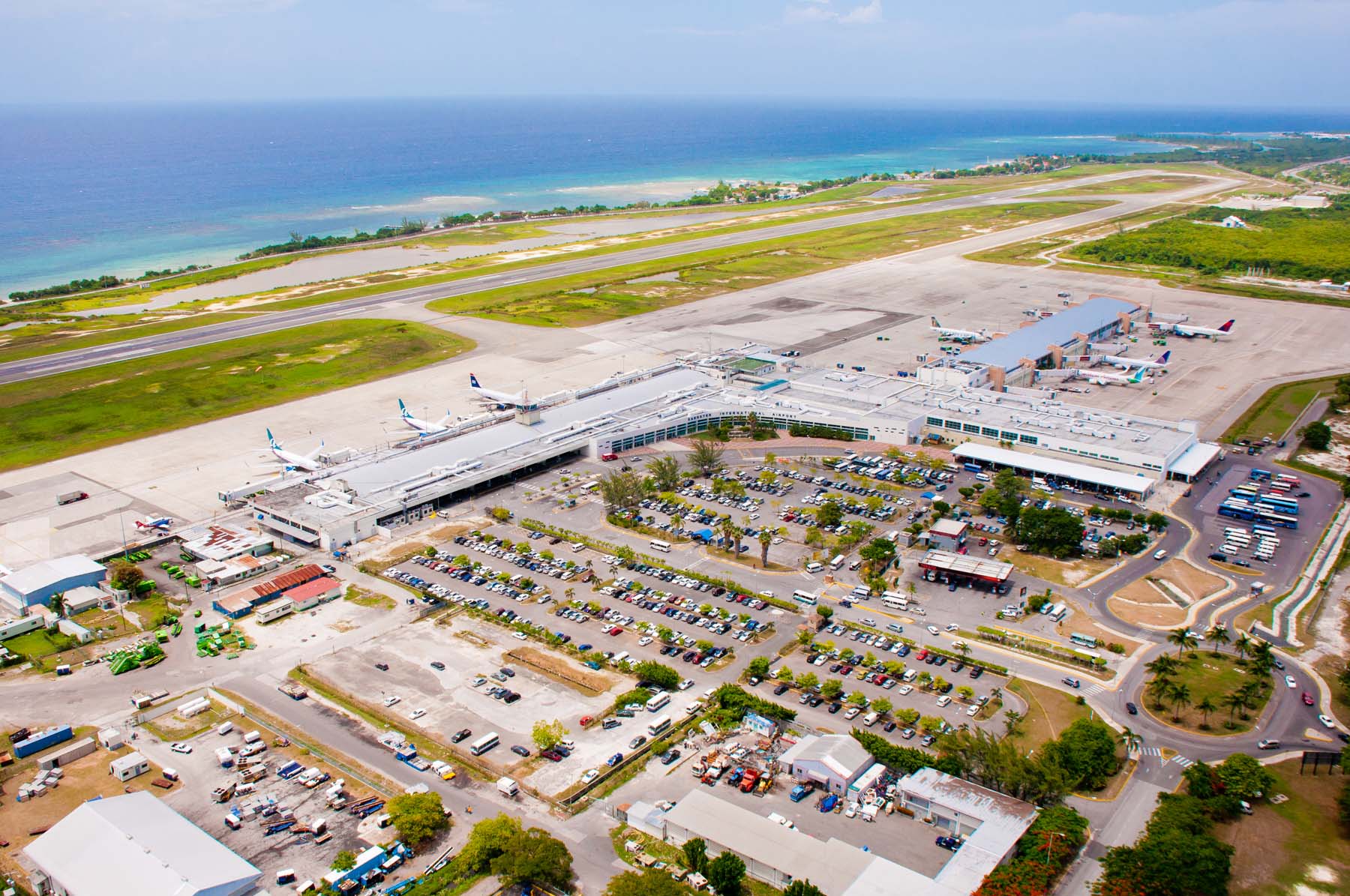
Sangster International Airport Looks Beyond 2034
Jamaica’s busiest tourism gateway is now part of a bigger national conversation: what should Montego Bay Airport become after 2034, and how should it serve the next generation of visitors?
For travelers, this is not just an airport story. It is a tourism story, a hotel growth story, and a signal that Jamaica is thinking seriously about the future of arrivals, comfort, resilience, and first impressions.
Montego Bay Airport Is Being Planned for a Bigger Future
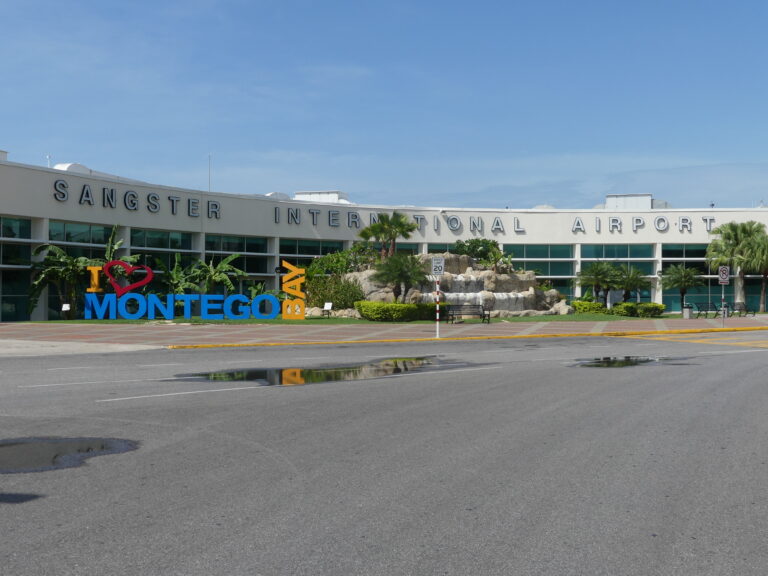
Sangster International Airport, better known to many travelers as Montego Bay Airport or MBJ, is once again at the center of Jamaica’s tourism future. The Airports Authority of Jamaica is seeking a consulting firm to prepare a long-term master plan for the airport, with projections stretching from 2034 to 2054.
That timeline matters. It looks beyond the present travel recovery and asks a deeper question: if Jamaica continues to grow as a global vacation destination, what kind of airport will Montego Bay need twenty or thirty years from now?
The simple meaning: Jamaica is not only thinking about more flights. It is thinking about airport capacity, passenger comfort, resilience, immigration flow, customs processing, hotel growth, climate risk, security, and the visitor experience from the moment the plane lands.
A Short History of Sangster International Airport
The story of Sangster International Airport is also the story of Montego Bay’s rise as Jamaica’s main tourism gateway. The site for an airport in Montego Bay was identified before mass tourism became what it is today. The airport facility was completed in 1947, when Montego Bay was already developing a reputation as a glamorous Caribbean escape.
Before it became known as Sangster International Airport, the facility was simply Montego Bay Airport. It later took the name of Sir Donald Sangster, Jamaica’s second Prime Minister, whose name remains closely tied to the country’s modern national identity.
The Montego Bay site was identified as suitable for an airport, long before Jamaica’s north coast became the powerful tourism belt it is today.
The airport facility was completed, helping connect Montego Bay more directly with international travelers.
A terminal at the airport’s present southern-side location opened, part of the airport’s gradual shift toward greater capacity.
The airport entered a major public-private concession era, helping shape the modern MBJ that travelers know today.
Jamaica is now planning for the next long period of airport development, with a master plan expected to guide the airport’s needs through 2054.
Why MBJ Matters So Much to Jamaica Tourism
For many visitors, Sangster International Airport is the first real physical contact with Jamaica. The music, the warm air, the language, the movement of resort representatives, the lines, the transportation hall, and the first drive out of Montego Bay all form part of the arrival memory.
MBJ is especially important because it serves the main resort corridors of Montego Bay, Rose Hall, Falmouth, Runaway Bay, Ocho Rios, Negril, Lucea, and other north coast destinations. A stronger airport does not only help airlines. It supports hotels, villas, attractions, restaurants, tour operators, ground transportation companies, craft vendors, and thousands of people whose income depends on visitors moving smoothly through Jamaica.
What a Future Airport Plan Could Mean for Jamaica
A serious long-term master plan could mean better spacing, better passenger movement, improved arrival processing, more resilient infrastructure, better use of technology, and a stronger first impression for visitors arriving in Montego Bay.
Modern Amenities, but Some Peak-Time Pressure
Montego Bay Airport already has many of the modern amenities travelers expect from a major Caribbean gateway. Visitors will find duty-free shopping, food and beverage options, airline services, passenger services, car rentals, hotel lounges, taxis, ground transportation areas, and other support facilities.
Still, MBJ is relatively small compared with some larger international tourism airports. On busy travel days, especially during peak arrival windows from about 11:30 a.m. to 2:00 p.m., the airport can feel tight. Several flights may land close together, and that can place pressure on immigration, baggage claim, customs, the arrival hall, and the transportation exit flow.
This does not mean the airport is weak. In many ways, MBJ is efficient for its size. But as Jamaica continues to compete for visitors and as more hotel rooms return or are added, the arrival hall, customs hall, immigration area, and public circulation spaces will become even more important.
The Arrival Hall Is Where the Future Will Be Felt
For many travelers, airport quality is judged less by architecture and more by how they feel after a long flight. Did immigration move smoothly? Was baggage easy to collect? Was customs clear? Was the transportation area organized? Could they find their driver or hotel representative without confusion?
That is why the arrival side of Sangster International Airport may be one of the most important parts of any future airport conversation. Departures matter, but arrivals shape the emotional beginning of the vacation. A more spacious arrival experience would immediately improve how many visitors feel about Jamaica before they even reach the hotel.
What Travelers Should Know Right Now
If you are currently planning a trip that will take you through Montego Bay Airport, the best advice is simple: expect a modern Caribbean airport, but plan your arrival with patience during peak hours. Have your documents ready, listen for instructions, and make sure your transportation is arranged before you land.
Travelers staying in Montego Bay, Rose Hall, Falmouth, Runaway Bay, Negril, Ocho Rios, or other resort areas often prefer having transportation booked in advance. A confirmed ride helps remove one more decision after immigration, baggage claim, and customs.
For visitors comparing arrival options, Montego Bay Airport Private Shuttle Service is one practical resource to review before traveling. It can help visitors understand private airport transportation options from MBJ to hotels, villas, and resort areas across Jamaica.
The Bigger Picture: Jamaica Is Planning Ahead
The most important part of this story is not that an airport needs improvement. Every serious tourism gateway needs improvement over time. The important part is that Jamaica appears to be thinking ahead.
Tourism is not only beaches and hotels. It is airlift, immigration, customs, road access, service culture, safety, resilience, and the first and last hour of every visitor’s trip. Sangster International Airport sits directly inside that experience.
If the next phase of planning is done well, MBJ can become more than a busy airport. It can become a stronger tourism engine for Jamaica, a better arrival experience for visitors, and a more future-ready gateway for the north coast.
MBJ’s Future Is Jamaica’s First Impression
Sangster International Airport has carried Jamaica tourism from the early days of Montego Bay’s rise to the modern era of global travel. The next chapter will help decide how smoothly Jamaica welcomes the visitors of tomorrow.





Alright, had a go at kinggames. It feels kinda regal, lol. Good selection, runs smooth. I’m hooked. See for yourself: kinggames
Cancun777Casino. Okay, this one definitely has the tropical vibes going. Games are decent, decent selections. Jump in here lads at cancun777casino, maybe you find some luck.
Just signed up at Evotaya777! Seems like a pretty solid site with tons of games. Hope the payouts are quick! Check it out yourself: evotaya777casinologin
I downloaded PKR98gamedownload and I’ve never looked back! Easy to use, and the graphics rock. If you like slots download it. pkr98gamedownload
R789game is a solid option! A lot of variety and the site’s easy to navigate. Overall, I highly recommend it. r789game
S786game, you say? Gave it a whirl. The interface is pretty user-friendly. Lost a few, won a few. Worth a look if you’re bored s786game.