
Jamaica travel tips that make the trip easier from day one
A little context goes a long way in Jamaica. Knowing how to think about money, weather, food, beaches, and travel time can make the island feel far more straightforward once you arrive.
Three things worth sorting out first
These small decisions usually have the biggest effect on how smooth the trip feels.
Do not feel pressured to exchange cash at the airport
Jamaica uses the Jamaican dollar, but U.S. dollars are accepted in many tourism areas. Airport exchange desks are convenient, though not always ideal on value. Many visitors keep things simple by using USD at first and only changing money later if they need local cash.
Arrange transportation before arrival
Landing is easier when your transportation is already sorted out. It removes guesswork after immigration and gives you a clearer idea of timing and cost. Travelers comparing local providers often look at services such as Best Jamaica Tours when organizing airport transfers and private travel around the island.
Jamaica covers more ground than many first-time visitors expect
Attractions are spread across different parts of the island, so location matters. Some outings pair well in one day, others do not. Before booking several tours, it helps to understand where your hotel is and how long the drives actually are.
Helpful guides to read next
These pages expand on some of the topics travelers tend to ask about most often while planning a Jamaica trip.
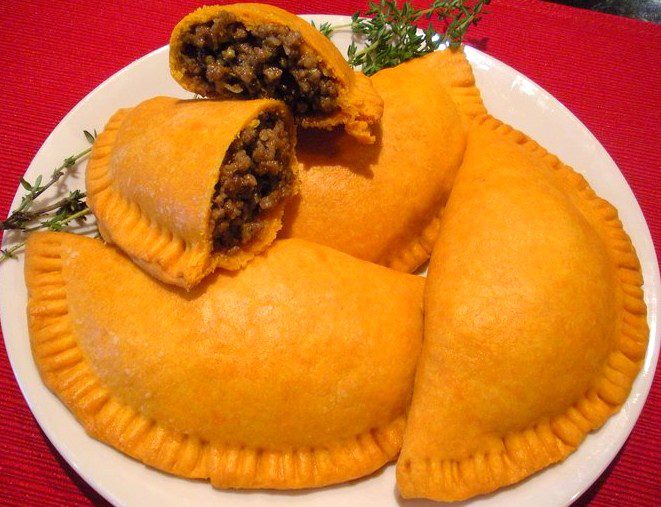
Do not leave Jamaica without trying a real patty
Jamaican patties are one of the island’s most familiar everyday foods. They are flaky, savory pastries usually filled with beef, chicken, vegetables, or spicy combinations that carry a lot of flavor in a very simple form.
For locals, patties are not treated as a novelty. They are part of normal life — bought on the go, eaten for breakfast, lunch, or a quick snack, and often paired with coco bread or a cold drink.
Visitors sometimes focus only on big sit-down meals, but a patty is one of the easiest ways to taste something truly woven into Jamaican daily culture. For more on the history, styles, and why they matter, read our guide to Jamaican patties.
How warm is the sea in Jamaica? +
The sea around Jamaica stays warm through the year and is one of the easiest parts of the trip to enjoy immediately. Most visitors find it comfortable rather than cold, whether they are swimming, snorkeling, or cooling off during a hot afternoon.
- Evening swims can feel especially pleasant because the water holds warmth well.
- During the day, the sea usually feels refreshing without being chilly.
- Beach days are possible in every season.
Is tap water safe to drink? +
In many towns, hotels, and tourism areas, treated tap water is commonly used. Even so, some visitors prefer bottled water, especially during the first few days of a trip or if they have a sensitive stomach. Bottled water is widely available, so most people simply choose what feels most comfortable.
Do I need a visa to visit Jamaica? +
That depends on your nationality. Many travelers visit Jamaica with a valid passport and proof of onward travel, but entry rules are not identical for every country and can change over time. It is best to confirm official requirements before you travel.
Is it safe to travel around Jamaica? +
Most visits go smoothly when travelers use normal awareness and good judgment. Stay in known areas, ask questions when unsure, avoid isolated places late at night, and use established transportation providers. Jamaica is not a place to fear, but like anywhere, it helps to move with awareness.
When is the best time to visit Jamaica? +
Jamaica is a year-round destination. Some travelers prefer the drier stretch that often comes in winter and early spring, while others enjoy the greener scenery and quieter feel outside peak season.
Weather forecasts do not always tell the full story. A day showing showers can still turn into long periods of sun, so it helps to think in terms of patterns rather than guarantees.
What about hurricanes? +
Hurricane season in the Caribbean runs from June through November, with the most attention usually focused on late summer and early autumn. Most trips are unaffected, but if you are traveling in that window, it makes sense to keep an eye on forecasts and stay flexible.
Should you only eat at the resort? +
Resorts are convenient, but they are only one version of Jamaican food. Travelers who eat beyond the hotel often discover a wider range of flavors and dishes that feel more connected to everyday life on the island. If food matters to you, make room for at least one meal outside the resort.
Are private tours worth it? +
They can be a strong option for couples, families, and small groups who want more control over the day. Private outings often mean fewer unnecessary stops, more flexible timing, and a pace that feels more personal. Group tours work for some travelers, but they are not the only smart choice.
Is all Jamaican coffee Blue Mountain Coffee? +
No. Jamaica produces several coffees, and while many are very good, not every cup served in a hotel or restaurant is true Blue Mountain Coffee. Travelers interested in the real product should pay attention to labels and source. You can read more in our guide to Jamaica Blue Mountain Coffee.
Are resort beaches always the best beaches? +
Not always. Some resorts sit on beautiful coastlines, but Jamaica also has excellent public beaches with great sand, clear water, and a more local atmosphere. Travelers who explore a little often find that some of their favorite beach moments happen outside resort grounds.
Are sharks a real issue in Jamaica? +
This is a common question, but it is not something most visitors actively worry about in Jamaica. The island is more closely associated with swimming beaches, warm Caribbean water, and reef areas than with shark concerns. The sea should always be respected, but this is not generally viewed as a major everyday issue for travelers.
What makes Jamaica memorable beyond the scenery? +
The island’s strongest impression often comes from the atmosphere as much as the attractions. The humor, the music, the food, the roadside energy, and the unscripted moments are what give Jamaica its character. Beaches may bring people first, but it is often the feeling of the place that stays with them.